

How Engine Fault Alerts Help Fleets Reduce Breakdowns
A vehicle rarely goes from operating normally to suffering a major mechanical failure without warning. In many cases, its onboard systems detect an abnormal condition before the driver notices a serious performance problem. The challenge for fleet managers is receiving that information early enough to act.
Engine fault alerts give managers greater visibility into developing vehicle problems. By transmitting diagnostic trouble codes and supported engine data to a centralized fleet management platform, telematics can help maintenance teams identify concerning conditions, assess urgency and arrange service before a vehicle breaks down on the road.
For fleets that depend on reliable vehicles to complete deliveries, attend service calls or transport equipment, this earlier warning can help prevent towing expenses, emergency repairs, missed appointments and extended downtime.
What Is an Engine Fault Alert?
An engine fault alert is a notification generated when a vehicle or connected telematics device detects a specified diagnostic condition.
Modern vehicles contain an Engine Control Module or Engine Control Unit that monitors sensors and systems throughout the vehicle. When the module detects a potential problem, it can generate a diagnostic trouble code, commonly called a DTC. The code provides information about the system in which the abnormal condition was detected.
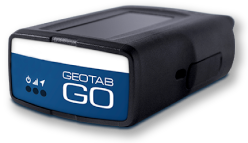
According to Geotab’s documentation on vehicle faults, a Geotab GO device can read supported fault codes from the vehicle and transmit them to MyGeotab. Fleet managers can then review information such as the affected asset, fault code, description, severity, status, source, controller and communication protocol.
This gives the fleet more information than a dashboard warning light alone. Instead of waiting for a driver to notice a warning and report it, the maintenance team can receive information remotely and begin evaluating the issue.
How Diagnostic Information Reaches the Fleet Manager
The process begins with the vehicle’s onboard sensors and control modules. These systems continually monitor supported components and operating conditions. When a reading falls outside an acceptable range or the system detects a malfunction, the vehicle records a fault.
The connected telematics device collects available diagnostic information and sends it to the fleet management platform. The manager can then view the fault in the vehicle’s record, include it in a fleet-wide report or use a configured rule to send a notification to the appropriate person.
Depending on the vehicle, sensors, engine protocol and service plan, engine diagnostic data may include information such as engine speed, voltage, fuel use, coolant temperature, fluid levels and diagnostic trouble codes. Not every vehicle provides every measurement, so fleets should confirm which data is available from each make, model and configuration.
Detecting Problems Before They Become Breakdowns
The main advantage of engine fault alerts is the opportunity to respond while a vehicle may still be operational.
For example, an abnormal coolant-temperature reading could indicate a developing cooling-system problem. Low or irregular battery voltage may point to a weak battery, charging issue or electrical-system fault. Diesel emissions-system codes could indicate a problem that may eventually cause reduced engine power or place the vehicle into a protective operating mode.
A fault code does not always mean that a major failure is imminent. However, it gives the maintenance team a reason to investigate. Acting on an early warning may allow a technician to correct a sensor, wiring, fluid, battery or component problem before it causes secondary damage or leaves the driver stranded.
This changes the maintenance process from waiting for a failure to actively looking for signs that a failure may be developing.
Prioritizing Repairs by Severity and Status
Not every engine fault requires the same response. Immediately removing every vehicle from service would create unnecessary downtime, while ignoring every warning could allow a serious condition to worsen.
MyGeotab can help managers distinguish between faults by showing their severity and status. Geotab classifies fault severity on a scale ranging from low to critical. It can also identify active faults that are currently present and pending faults that require additional information before the system considers them persistent.
This context helps maintenance teams prioritize their workload. A critical active fault may require the driver to stop safely and obtain immediate assistance. A lower-severity fault may be suitable for inspection at the end of the shift. A pending or intermittent fault may need monitoring to determine whether it returns under particular operating conditions.
MyGeotab fault reports can show faults across the fleet, while the Active Engine Faults report focuses on current issues that may require timely attention. This fleet-wide view helps managers direct limited technician time toward the vehicles with the greatest apparent risk.
Replacing Roadside Emergencies With Planned Repairs
Unplanned breakdowns create costs beyond the failed component. A disabled vehicle may require towing, roadside labour, replacement transportation, schedule changes and overtime. The fleet may also miss deliveries, delay customer appointments or leave employees waiting while another vehicle is assigned.
Engine fault alerts can provide time to arrange a more controlled response. The manager may be able to route the vehicle to a preferred repair facility, schedule a shop appointment, reserve a replacement vehicle and order required parts before taking the asset out of service.
Geotab describes how remote diagnostics for commercial trucks can combine fault information with vehicle location, fault severity and recommended actions. This context can help a fleet decide whether a vehicle should continue to a planned service location or requires more immediate attention.
A scheduled repair will still have a cost, but it is generally easier to manage than a roadside failure that occurs without warning.
Helping Technicians Diagnose Problems More Efficiently
A warning light tells the driver that something may be wrong, but it does not explain the complete condition. A remotely reported fault code gives the maintenance team a more useful starting point.
Before the vehicle arrives, a technician may be able to review the code, determine which system generated it and examine related operating information. The shop can prepare diagnostic equipment, review service information and check whether likely parts are available.
Historical fault data can also reveal whether a warning appeared once, remained active or repeatedly returned. That history is useful when troubleshooting intermittent problems that may not be present by the time the vehicle reaches the shop.
The fault code should be treated as diagnostic evidence, not as a final diagnosis. Multiple mechanical or electrical conditions can sometimes produce similar symptoms. A qualified technician should still inspect the vehicle, confirm the cause and determine the correct repair.
Finding Patterns Across the Fleet
The value of diagnostic information increases when it is examined across multiple vehicles.
If several vehicles of the same make, model, year or engine configuration report the same code, the fleet may be dealing with a recurring component, installation or operating issue. Managers can compare the affected vehicles, review repair histories and investigate applicable manufacturer information.
Pattern analysis may also identify individual vehicles that generate faults more frequently than similar assets. These vehicles may need closer inspection, a different maintenance schedule or consideration for earlier replacement.
Centralized fault reporting makes these patterns easier to find than separate dashboard warnings, handwritten driver reports or repair invoices stored in different locations.
Combining Fault Codes With Other Vehicle-Health Data
Fault codes are most useful when considered alongside other available information. Depending on vehicle compatibility, the MyGeotab asset-maintenance view may include electrical-system health, coolant temperature, oil life, battery voltage and tire-pressure information.
Managers can also review mileage, engine hours, service history and driver inspection results. This context can help the maintenance team understand whether a fault is an isolated event or part of a larger trend.
Engine hours are especially valuable for vehicles and equipment that spend significant time idling or operating while stationary. In these applications, odometer-based maintenance intervals may not fully represent engine use. Combining engine hours, mileage and diagnostic information can produce a more accurate picture of service needs.
Sending Alerts to the Right People
Diagnostic information only prevents breakdowns when someone receives it and knows what to do next.
MyGeotab supports configurable rule notifications that can alert designated users through options such as email, MyGeotab popups, SMS and web requests. Notification templates can also be customized so recipients receive relevant information about the event.
A practical alert workflow should identify who receives each type of warning, how quickly it must be reviewed and what action is required. Critical alerts may need to reach both the fleet manager and maintenance supervisor immediately. Lower-priority conditions may be included in a daily review instead.
The workflow should also explain when a driver must stop, when the vehicle can be directed to a shop and when the condition can be monitored until the next planned service. These decisions should follow manufacturer guidance and the fleet’s established safety and maintenance procedures.
Avoiding Alert Fatigue
Sending a message for every momentary diagnostic event can overwhelm managers and technicians. Too many low-value alerts may cause staff to overlook the warning that truly requires action.
Fleets should configure alerts around meaningful conditions and review their performance regularly. Severity, duration, recurrence and vehicle type can help determine which events require immediate notification and which are better suited to reports.
Managers should also investigate repeated nuisance alerts instead of simply dismissing them. A recurring intermittent code could result from a loose connector, voltage fluctuation, sensor issue or another condition that deserves inspection.
A useful alerting program provides enough information to support decisions without flooding the maintenance team with unactionable messages.
Engine Fault Alerts Support, but Do Not Replace, Preventive Maintenance
Engine fault alerts are not a substitute for inspections, manufacturer-recommended service or professional diagnosis. Some mechanical defects may not generate a diagnostic code, and a vehicle can still have a serious problem even when no alert is present.
Geotab specifically notes that proactive maintenance reports and fault notifications provide guidance rather than a guarantee of vehicle condition. Drivers must continue completing required inspections, reporting unusual sounds or handling and following fleet safety procedures.
Engine fault monitoring is most effective when combined with preventive maintenance and condition-based service. Condition-based maintenance uses actual vehicle-health information to determine when attention is needed, while preventive maintenance handles essential work at defined time or usage intervals. More advanced predictive-maintenance systems can analyze historical and current data to estimate the risk of future failures.
Together, these approaches give fleets a more complete maintenance strategy.
Turn Diagnostic Data Into Actionable Maintenance Information
Engine fault alerts can help fleets identify developing mechanical problems, prioritize repairs and replace unexpected roadside failures with planned maintenance. The greatest benefit does not come from collecting more codes. It comes from making sure the right people receive understandable information and take the appropriate action.
GPS Tracking Canada provides Geotab-integrated GPS tracking and fleet-management solutions that can help businesses monitor engine diagnostics, configure maintenance alerts and improve vehicle-health visibility. If your fleet wants to detect problems earlier, reduce unplanned downtime and build a more proactive maintenance process, contact us to discuss a solution suited to your vehicles and operating requirements.
Frequently Asked Questions
What is an engine fault alert?
An engine fault alert is a notification generated when a vehicle or telematics device detects a diagnostic condition that may require inspection or maintenance.
How do engine fault alerts work?
The vehicle’s control modules monitor supported sensors and systems. When they detect an abnormal condition, they may create a diagnostic trouble code that a connected telematics device can transmit to the fleet management platform.
What is a diagnostic trouble code?
A diagnostic trouble code, or DTC, is a code recorded by a vehicle’s onboard system when it detects a possible malfunction. The code identifies the system or condition that requires further investigation.
How can engine fault alerts prevent costly breakdowns?
Engine fault alerts can give maintenance teams earlier notice of developing problems. This may allow the fleet to inspect and repair a vehicle before the issue causes secondary damage or a roadside breakdown.
What types of problems can engine diagnostics identify?
Depending on the vehicle and available data, diagnostics may identify problems involving coolant temperature, battery voltage, emissions systems, fuel systems, sensors, electrical components, and other monitored systems.
Can Geotab automatically report engine faults?
Yes. A compatible Geotab GO device can collect supported vehicle fault information and send it to MyGeotab, where authorized users can review the affected vehicle, fault code, description, severity, and status.
Can fleet managers receive engine fault notifications remotely?
Yes. MyGeotab can be configured to send notifications to designated users when selected fault conditions occur. Available notification methods may include email, SMS, platform popups, and web requests.
What information is included in a MyGeotab vehicle fault?
Available information may include the affected asset, fault code, description, severity, status, source, controller, and communication protocol. The exact details depend on vehicle compatibility and available data.
What is the difference between an active and pending fault?
An active fault represents a condition currently detected by the vehicle. A pending fault may require additional occurrences or information before the system considers the condition persistent.
Are all engine fault alerts urgent?
No. Faults can vary significantly in severity. Some may require the driver to stop safely and seek immediate assistance, while others may be inspected after the shift or monitored until scheduled maintenance.
Does an engine fault code identify the exact repair needed?
Not always. A fault code identifies the system or condition in which a problem was detected, but it may not reveal the exact cause. A qualified technician should diagnose the vehicle before repairs are completed.
Can engine fault alerts replace preventive maintenance?
No. Some mechanical problems do not generate diagnostic codes. Fleets must continue following manufacturer-recommended maintenance schedules, completing inspections, and responding to driver-reported concerns.
How can engine fault alerts reduce vehicle downtime?
Early warnings may allow fleets to schedule repairs, order parts, reserve replacement vehicles, and direct affected assets to preferred service facilities before a breakdown disrupts operations.
Can diagnostic information help technicians work more efficiently?
Yes. Technicians may be able to review fault codes and related vehicle information before the asset arrives. This can give them a useful starting point and help them prepare the appropriate diagnostic equipment.
Can MyGeotab show engine fault history?
Yes. Historical fault information can help managers determine whether a fault occurred once, remained active, or repeatedly returned. This can be especially useful when investigating intermittent problems.
Can fleets compare engine faults across multiple vehicles?
Yes. Fleet-wide reporting can help managers identify repeated faults among vehicles with similar makes, models, years, or engine configurations. These patterns may indicate recurring component or operating issues.
What other information should be reviewed with fault codes?
Maintenance teams may review mileage, engine hours, battery voltage, coolant temperature, oil life, service history, and driver inspection results. Combining these records can provide more context for the fault.
How can fleets avoid engine fault alert fatigue?
Fleets can focus notifications on meaningful conditions and use severity, duration, and recurrence to determine which events need immediate attention. Lower-priority faults may be better handled through scheduled reports.
What is the difference between fault monitoring and predictive maintenance?
Fault monitoring reports diagnostic conditions that have already been detected. Predictive maintenance analyzes current and historical data to estimate the likelihood of a future failure.
Can every fleet vehicle provide the same diagnostic information?
No. Available diagnostic data varies by vehicle make, model, year, engine protocol, installed hardware, and service plan. Fleets should confirm compatibility and data availability for their specific vehicles.