

Frequently Asked Questions
What are AI dash cams for fleets?
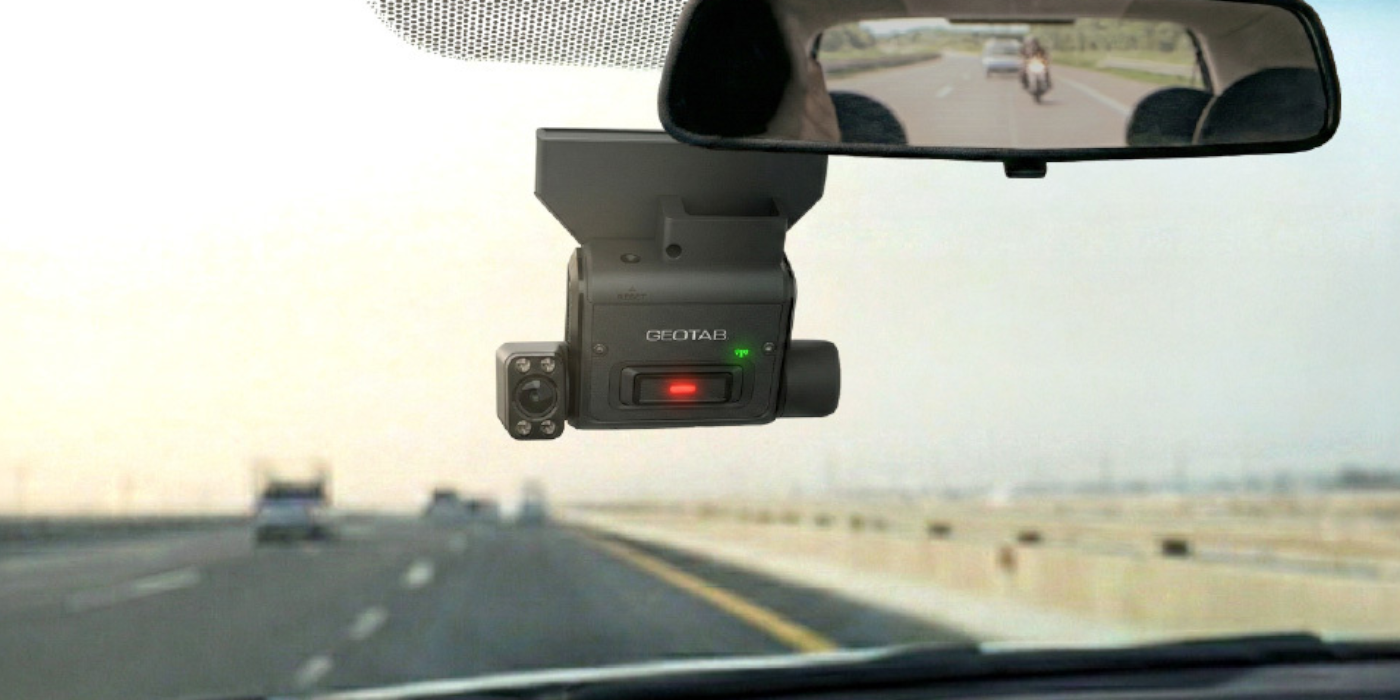
AI dash cams are vehicle cameras that use artificial intelligence to detect risky driving behaviours, record road incidents, and support driver coaching. They can help fleets improve safety, reduce claims, and protect drivers with video evidence.
Why do fleets use AI dash cams for driver coaching?
Fleets use AI dash cams to identify behaviours such as distracted driving, tailgating, harsh braking, fatigue signs, and unsafe lane changes. The goal is to coach drivers before these habits lead to collisions.
Do AI dash cams record drivers all the time?
Not always. Many fleet dash cam systems can be configured for event-based recording, meaning video is captured or uploaded when a safety event occurs, such as harsh braking, a collision, or an AI-detected risk.
Are driver-facing cameras legal in Canada?
Driver-facing cameras can be legal, but fleets must use them carefully. Employers should have a clear business reason, inform drivers, limit unnecessary recording, protect access to footage, and comply with applicable privacy and employment laws.
How can fleets protect driver privacy when using AI dash cams?
Fleets can protect privacy by using the least-invasive camera setup, limiting access to footage, avoiding unnecessary audio recording, creating a written camera policy, using event-based review, and explaining the system clearly to drivers.
What should be included in a dash cam privacy policy?
A dash cam privacy policy should explain what is recorded, when recording happens, why footage is collected, who can access it, how long it is stored, how it may be used, and how drivers can ask questions or dispute an event.
Should fleets use road-facing or driver-facing cameras?
It depends on the fleet’s safety goals. Road-facing cameras are useful for collision evidence and driver protection, while driver-facing cameras can help coach behaviours such as distraction, fatigue, seatbelt use, or phone use.
How do AI dash cams help protect drivers?
AI dash cams can provide video evidence when a driver is cut off, falsely accused, involved in a not-at-fault collision, or blamed for an incident they did not cause. This can help defend professional drivers from unfair claims.
Can AI dash cam footage be used for discipline?
It can be used for discipline in some cases, but fleets should avoid a “gotcha” approach. A better practice is to use footage first for coaching, context, and improvement, with discipline reserved for repeated or serious safety issues.
How can fleets avoid creating a surveillance culture?
Fleets can avoid a surveillance culture by being transparent, limiting recording to safety-related events, restricting footage access, recognizing good driving, and making it clear that cameras are used for coaching and protection, not constant monitoring.
Why do drivers resist in-cab cameras?
Drivers may resist in-cab cameras because they worry about being watched constantly, judged unfairly, recorded during personal time, or disciplined based on AI alerts without context.
How should managers introduce AI dash cams to drivers?
Managers should explain the safety purpose, show how the system works, describe what is and is not recorded, explain who can view footage, and emphasize how video can protect drivers from false claims.
Can AI dash cams record audio?
Some systems may support audio recording, but fleets should be cautious. Audio can create additional privacy concerns, so it should only be used when there is a clear need and when allowed by applicable laws and company policy.
How long should fleets keep dash cam footage?
Fleets should keep footage only as long as needed for safety, coaching, claims, legal, or compliance purposes. Retention rules should be clearly explained in the company’s dash cam policy.
Who should have access to AI dash cam footage?
Access should be limited to authorized personnel such as safety managers, fleet managers, claims staff, or supervisors involved in coaching. Footage should not be available to everyone in the company.
How can AI dash cams improve driver retention?
AI dash cams can support driver retention when they are used fairly, transparently, and respectfully. Drivers are more likely to accept cameras when they see that footage protects them, recognizes safe driving, and supports coaching instead of punishment.
How does Geotab work with dash cam solutions?
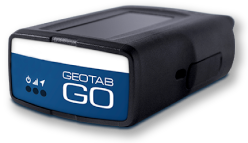
Geotab-connected dash cam solutions can combine video events with telematics data such as speed, location, braking, acceleration, and trip history. This helps fleets review incidents with better context inside MyGeotab.
What is in-cab coaching?
In-cab coaching is the process of using real driving data, alerts, and video clips to help drivers improve safety habits. It focuses on correcting risky behaviour before it leads to collisions or claims.
What is the best way to use AI alerts fairly?
AI alerts should be reviewed by a human before action is taken. Managers should consider road conditions, traffic, driver response, and event context before using an alert for coaching or discipline.
Why choose GPS Tracking Canada for AI dash cam implementation?
GPS Tracking Canada helps fleets choose and implement Geotab-integrated GPS tracking, telematics, and AI dash cam solutions. Our team can help you improve safety, support driver coaching, protect privacy, and build a rollout plan that drivers can trust.