

How GPS Tracking and Fuel-Card Integration Can Identify Fuel Theft and Misuse
Fuel cards make purchasing fuel more convenient and provide businesses with detailed transaction records. However, a fuel-card statement alone cannot confirm that every purchase was legitimate. It may show when and where a card was used, the amount purchased, the fuel type, and the total cost, but it does not necessarily prove that the assigned fleet vehicle was present or received the fuel.
Combining fuel-card records with GPS tracking and vehicle telematics provides the missing context. Fleet managers can compare each transaction with the vehicle’s location, activity, fuel capacity, fuel type, driver assignment, and available engine data. This comparison can reveal inconsistencies that deserve investigation, helping fleets detect possible fuel-card misuse before small losses become recurring expenses.
What Is Fuel Fraud in a Commercial Fleet?
Fleet fuel fraud occurs when a fuel card or company-funded fuel purchase is used for an unauthorized purpose. Examples can include using a company card to fuel a personal vehicle, purchasing more fuel than the assigned vehicle can hold, sharing a card or PIN with another person, buying an incorrect product, or continuing to use a card after it has been lost or stolen.
Not every questionable transaction is intentional fraud. Incorrect vehicle information, delayed transaction files, time-zone differences, data-entry mistakes, or legitimate emergency purchases can also create discrepancies. For this reason, GPS and fuel-card data should be used to identify exceptions for review rather than to make an immediate accusation.
Why Fuel-Card Data Is More Valuable When Connected to GPS
A fuel-card record answers several important questions: Which card was used? When did the transaction occur? At which merchant location? What product was purchased? How much fuel was dispensed, and what did it cost?
GPS and telematics data answer a different set of questions: Where was the assigned vehicle at that time? Which driver was operating it? Did it stop near the station? How far had it travelled? What type of fuel does it use? Did the vehicle report a corresponding increase in fuel level?
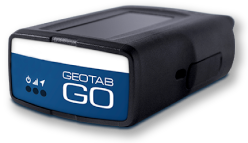
When these datasets are reviewed together, the fleet can determine whether the transaction is consistent with the vehicle’s real-world activity. Geotab explains that its fuel management technology can compare fuel-card information with vehicle GPS, engine telematics, and administrative settings to identify potential mismatches. This turns fuel-card information from a basic expense record into a more useful fraud-detection tool.
How GPS and Fuel-Card Matching Works
The process begins by importing or integrating fuel transactions into the fleet management platform. Depending on the fuel-card provider and configuration, transaction information may flow directly into the system or be added through a supported import process. Geotab’s Fuel Transaction Import Add-In, for example, can import fill-up information supplied by a fuel provider into MyGeotab.
Each transaction must then be associated with the appropriate asset or driver. Asset-based matching is suitable when a card stays with a particular vehicle. Driver-based matching is useful when a driver carries a card while operating different vehicles. Accurate identifiers are essential because inconsistencies in VINs, licence plates, serial numbers, vehicle descriptions, or driver names can prevent successful matching.
Once a transaction is assigned, its location, timestamp, volume, and product type can be compared with information from the vehicle. MyGeotab’s Fuel Transactions functionality organizes imported purchases and identifies several types of potential mismatches for review.
Warning Signs That May Indicate Fuel-Card Misuse
The Vehicle Was Not Near the Fuel Station
A location mismatch is one of the clearest reasons to investigate a transaction. If the fuel card was used at a station in one location while GPS data places the assigned vehicle somewhere else, the card may have been used for another vehicle or by an unauthorized person.
According to Geotab’s current Fuel Transactions documentation, a location mismatch can be flagged when the asset’s recorded position is more than approximately one kilometre from the fuel-purchase location. The system also examines a time range around the transaction to account for possible timestamp differences.
A mismatch does not prove fraud by itself. The fleet should confirm that the merchant location, transaction time, time zone, and vehicle assignment are accurate before reaching a conclusion.
The Purchase Exceeded the Vehicle’s Tank Capacity
A transaction may be suspicious if the amount purchased is greater than the vehicle could reasonably hold. For example, a purchase of 120 litres assigned to a vehicle with a 70-litre tank should be reviewed.
MyGeotab can identify a tank-size mismatch when the recorded purchase exceeds the asset’s configured tank capacity by more than the system’s permitted tolerance. Accurate tank-capacity information is therefore important. Incorrect or missing capacity data could cause the system to overlook a problem or generate an unnecessary exception.
Even when a transaction does not exceed the tank’s full capacity, managers can examine whether the purchase makes sense based on the vehicle’s recent activity. A nearly full vehicle purchasing another large quantity shortly afterward may warrant further investigation.
The Purchased Fuel Type Did Not Match the Vehicle
Fuel-card data commonly identifies the product purchased. Comparing that information with the assigned vehicle can expose transactions involving an incorrect fuel type, such as diesel charged to a gasoline vehicle.
A fuel-type mismatch could indicate card misuse, but it may also result from an incorrect product code or an inaccurately classified vehicle. Fleets should keep each asset’s fuel type current and confirm questionable transactions with the fuel-card provider or merchant.
Multiple Fill-Ups Occurred Within an Unusually Short Period
Several fuel purchases assigned to the same vehicle in one day are not always improper. A long-distance vehicle with dual tanks or intensive operating requirements may have a legitimate reason to refuel more than once. However, repeated purchases with little driving between them can indicate fuel being dispensed into another vehicle or portable container.
Geotab identifies multiple same-day fill-ups, excessive volumes, and fuel-type mismatches as examples of fuel-transaction warning signs. Reviewing the vehicle’s route, distance travelled, previous fuel purchase, and estimated consumption helps determine whether the pattern is reasonable.
A Purchase Was Recorded Without a Corresponding Vehicle Fill-Up
Compatible vehicles may report changes in fuel level through their engine data. MyGeotab’s Detected Fill-Ups feature uses available telematics data to identify stops associated with increases in fuel level. When imported fuel transactions are available, the system can match purchase details with detected fill-up events.
If a fuel-card charge appears but the assigned vehicle does not show a corresponding fill-up, the transaction may deserve review. The vehicle might not have received the fuel, or the wrong card or asset may have been selected.
This comparison has technical limitations. Not every vehicle reports fuel-level data, and fuel movement inside the tank can affect readings. Detection may also require driving data after the fill-up. A missing event should therefore be considered a clue rather than conclusive evidence.
Fuel Purchases Do Not Match Distance or Consumption
Fuel-card expenses can also be compared with GPS-calculated distance, engine-reported fuel use, odometer readings, idling, and trip history. Geotab states that fuel usage calculations can combine engine-reported data, imported transactions, and GPS-calculated travel distance.
If purchases increase sharply while distance and operating hours remain stable, managers can investigate the difference. Repeatedly poor fuel economy may indicate unauthorized fuel purchases, but it can also point to excessive idling, inefficient driving, mechanical problems, severe weather, heavy loads, or demanding operating conditions. Comparing the vehicle with its own historical performance and similar fleet assets can provide useful context.
A Transaction Cannot Be Assigned to a Driver or Vehicle
Unassigned transactions are another important exception. They can occur when the cardholder or vehicle information from the fuel provider does not match the corresponding record in MyGeotab.
An unassigned transaction may be an administrative problem, but it also reduces accountability. Fleets should investigate these records promptly and correct inconsistent names, licence plates, VINs, or other identifiers. Leaving transactions unassigned makes it more difficult to establish who used the card and whether the purchase was legitimate.
Turning Mismatches Into an Investigation Process
An effective fraud-detection program requires more than generating reports. Businesses should create a consistent process for reviewing exceptions and documenting the outcome.
When a suspicious transaction is found, the reviewer can confirm the cardholder and assigned vehicle, examine the vehicle’s GPS position and trip history, compare the volume with tank capacity and recent purchases, review available fuel-level or engine data, and obtain the receipt if necessary. The driver should also have an opportunity to explain the circumstances.
The result should be recorded as an authorized purchase, a data or configuration error, a policy violation, or suspected fraud requiring further action. Documenting outcomes helps the organization identify recurring patterns and improve its detection rules.
Improving Data Quality and Reducing False Positives
Fraud detection is only as reliable as the information being compared. Asset records should include accurate VINs, licence plates, fuel types, and tank capacities. Driver names should match the information maintained by the fuel-card provider, especially when transactions are assigned by driver.
The fleet should also confirm time zones, card assignments, archived vehicles, replacement cards, and changes in driver responsibilities. Geotab notes that retroactively changing certain asset or driver details does not automatically recalculate previously imported transaction mismatches, which makes accurate setup and timely administration important.
Card-level controls provide another layer of protection. Depending on the provider, a fleet may be able to require driver PINs, restrict merchant or product categories, establish transaction and daily spending limits, and limit purchases by time or day. For example, the Corpay integration listed in the Geotab Marketplace describes driver ID or PIN validation and configurable spending restrictions. Features and availability vary by card program, region, and integration.
GPS Data Helps Fleets Respond Faster
Without connected data, questionable purchases may remain hidden until someone manually reviews a monthly statement. Integrating fuel-card and telematics information gives fleet managers a more organized way to identify exceptions shortly after transaction data becomes available.
Faster detection can help the business lock a missing card, contact the provider, preserve relevant records, correct an assignment problem, or speak with the driver while the circumstances are still recent. It can also reveal small, repeated losses that might not appear significant when each transaction is viewed separately.
However, no GPS or fuel-card integration can detect or prevent every fraudulent purchase. Coverage gaps, delayed data, unsupported engine measurements, inaccurate merchant information, and legitimate operational exceptions can all affect results. The technology is most effective when combined with clear policies, secure card practices, accurate records, and human review.
Additional Benefits Beyond Fraud Detection
The same combined data can support other fleet-management goals. Managers can use it to review fuel economy, compare vehicle performance, identify excessive idling, reconcile fuel expenses, evaluate purchasing patterns, and find assets with unusually high operating costs.
These insights can help distinguish suspected misuse from other causes of excessive fuel spending. A vehicle consuming more fuel than comparable assets may require maintenance, a driver may need coaching, or routes may need to be reviewed. As a result, the system can support both financial control and broader operational improvement.
Strengthen Fuel Oversight With GPS Tracking Canada
Combining GPS tracking, vehicle telematics, and fuel-card data gives businesses a clearer way to verify purchases and investigate unusual activity. By comparing where a vehicle was, what fuel it uses, how much its tank can hold, and whether the transaction matches its actual operation, fleets can detect potential fuel fraud more efficiently and strengthen accountability across their operations. GPS Tracking Canada can help you evaluate compatible Geotab fuel-management options and determine how they can support your fleet. To discuss your requirements and available integrations, contact us today.
Frequently Asked Questions
What is fleet fuel fraud?
Fleet fuel fraud is the unauthorized use of a company fuel card or company-funded fuel purchase. It can include fuelling a personal vehicle, purchasing fuel for another person, buying unauthorized products, sharing a card or PIN, or using a lost or stolen card.
How can GPS data help detect fuel-card fraud?
GPS data shows where an assigned fleet vehicle was at the time of a fuel-card transaction. If the card was used at one location while the vehicle was somewhere else, the transaction can be flagged for investigation.
What fuel-card information can be compared with GPS data?
Depending on the provider, fuel-card records may include the transaction time, merchant location, fuel type, quantity purchased, cost, card number, driver, and assigned vehicle. These details can be compared with vehicle location and telematics data.
Can Geotab integrate with fuel-card data?
Yes. MyGeotab can receive fuel transaction data through supported fuel-card integrations or import methods. Compatibility depends on the fuel-card provider, card program, region, and system configuration.
What is a fuel-transaction location mismatch?
A location mismatch occurs when the assigned vehicle’s GPS position does not correspond with the fuel station where the card was used. This may indicate misuse, but incorrect timestamps, merchant information, or vehicle assignments should be ruled out first.
Can GPS tracking prove that fuel fraud occurred?
No. GPS and fuel-card data can identify suspicious inconsistencies, but a mismatch is not conclusive proof of fraud. Managers should review receipts, assignments, transaction details, vehicle activity, and the driver’s explanation before deciding what occurred.
Can the system detect purchases that exceed a vehicle’s tank capacity?
Yes. When the vehicle’s tank capacity is configured correctly, the purchased quantity can be compared with the amount the tank can hold. A purchase that exceeds the expected capacity can be flagged for review.
Can fuel-card data identify purchases of the wrong fuel type?
Yes. The purchased product can be compared with the fuel type assigned to the vehicle. For example, a diesel purchase associated with a gasoline vehicle may indicate misuse or an incorrect transaction or asset record.
Can multiple fuel purchases in one day indicate fraud?
Multiple same-day purchases may be suspicious when the vehicle has not travelled far enough to require additional fuel. However, legitimate operational factors such as long trips, dual tanks, heavy loads, or intensive vehicle use should also be considered.
Can Geotab detect whether fuel was actually added to a vehicle?
Compatible vehicles may report fuel-level changes through engine data, allowing MyGeotab to identify detected fill-up events. A fuel-card charge without a corresponding fill-up may require investigation, although not every vehicle supports fuel-level reporting.
Can GPS and fuel-card data detect fuel purchased for a personal vehicle?
It can help identify this type of misuse. If a company card is used at a station while the assigned fleet vehicle is not present, the location discrepancy may indicate that the fuel was purchased for another vehicle.
What is asset-based fuel-transaction matching?
Asset-based matching associates transactions with a specific vehicle. It is suitable when a fuel card remains with one asset and may be used by different authorized drivers.
What is driver-based fuel-transaction matching?
Driver-based matching associates transactions with the cardholder and then identifies the vehicle assigned to that driver at the time of purchase. It can be useful when drivers carry their cards while operating different fleet vehicles.
Why do some fuel transactions appear as unassigned?
Transactions may be unassigned when the driver or vehicle information from the fuel-card provider does not match the information in MyGeotab. Differences in names, VINs, licence plates, serial numbers, or vehicle descriptions can prevent accurate matching.
Can GPS and fuel-card data detect unusual fuel consumption?
Yes. Managers can compare fuel purchases with distance travelled, engine-reported fuel use, idling, odometer readings, and historical fuel economy. Unexplained increases may indicate misuse, although mechanical problems, driving behaviour, weather, loads, and operating conditions can also affect consumption.
Does fuel-card integration provide real-time fraud alerts?
The timing depends on the fuel-card provider, integration, and selected solution. Some systems can provide near-real-time transaction controls or alerts, while others import data periodically for review in MyGeotab.
What can cause a false fuel-fraud warning?
False warnings can result from incorrect tank capacity, inaccurate fuel-type information, delayed transactions, time-zone differences, incorrect merchant locations, card reassignments, or inconsistent driver and asset records. Maintaining accurate data helps reduce these issues.
What should a fleet manager do after finding a suspicious transaction?
The manager should verify the cardholder, assigned vehicle, GPS location, transaction time, fuel volume, product type, trip history, and available fuel-level data. Receipts and driver explanations should also be reviewed before the transaction is classified.
How can businesses reduce fuel-card misuse?
Businesses can establish clear fuel-card policies, require individual driver PINs, keep vehicle and driver assignments current, restrict authorized products, set spending limits, review exceptions regularly, and immediately report missing or stolen cards. Available controls vary by fuel-card provider.
What are the benefits of combining GPS and fuel-card data?
Combining the two datasets can improve purchase verification, identify possible fraud sooner, reduce manual reconciliation, strengthen driver accountability, and provide better visibility into fuel consumption and operating costs. It can also help fleets identify excessive idling, inefficient driving, and vehicles that may require maintenance.