


Asset Trackers vs Vehicle Trackers: What’s the Difference?
GPS tracking is useful for more than monitoring trucks and company vehicles. Businesses also need to keep track of trailers, construction equipment, generators, containers and other valuable assets that move between locations or spend extended periods unattended.
However, not all GPS tracking devices are designed for the same purpose. Vehicle trackers and asset trackers serve different operational needs, particularly when it comes to power sources, installation, reporting frequency and the information they collect.
Understanding the difference between asset trackers and vehicle trackers can help businesses choose the right equipment for their operations, improve visibility across their fleets and make better use of their resources.
What Is a Vehicle Tracker?
A vehicle tracker is a GPS tracking device designed to monitor the location and activity of a powered vehicle. Businesses commonly install these devices in cars, vans, pickup trucks and commercial vehicles to maintain visibility over their fleets.
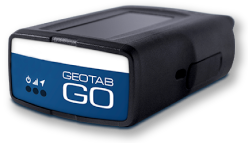
Vehicle trackers are typically connected to the vehicle’s electrical system. Depending on the device and vehicle compatibility, installation may involve plugging into the OBD-II diagnostic port or connecting directly to the vehicle’s wiring.
Because these devices can draw power from the vehicle, they generally do not depend on an independent battery that needs to be regularly replaced or recharged.
In addition to location information, certain vehicle tracking systems can collect operational data from the vehicle’s onboard systems. Depending on the available connections and vehicle capabilities, this information may include:
- Vehicle location: View current or last reported vehicle positions and review historical travel routes.
- Ignition activity: Identify when a vehicle is started, stopped or switched off.
- Odometer readings: Monitor accumulated kilometres and support maintenance scheduling.
- Engine diagnostics: Access available diagnostic information and trouble codes.
- Driving information: Review vehicle speed, movement patterns and other driving-related data.
Not every GPS tracker provides all these features. The information available depends on the tracking hardware, installation method, vehicle make, model and year.
Vehicle tracking is particularly useful for businesses that need to coordinate drivers, manage deliveries, monitor vehicle utilization and understand how their vehicles are being operated.
What Is an Asset Tracker?
An asset tracker is designed to monitor the location and movement of valuable equipment, machinery and other movable property.
Unlike conventional vehicle trackers, asset trackers are often intended for items that do not have a consistent electrical power supply or are not regularly operated. Many are equipped with internal batteries, allowing them to continue reporting their location without being connected to a vehicle.
Common examples of assets businesses may want to track include:
- Trailers: Flatbeds, enclosed trailers, refrigerated trailers and other towable equipment.
- Construction equipment: Excavators, skid steers, generators, compressors and light towers.
- Shipping equipment: Cargo containers, storage containers and portable units.
- Industrial equipment: Tanks, pumps, machinery and specialized tools.
- Mobile assets: Equipment that moves between warehouses, job sites and storage yards.
Asset trackers are available in different configurations. Battery-powered devices are particularly useful for unpowered equipment, while other tracking solutions can connect to an available power source.
Their mounting options also vary. Depending on the device, installation may involve bolting, fastening or securely attaching the tracker to the equipment.
One important consideration is battery life. Independent battery-powered trackers often use configurable reporting intervals or motion-based reporting to balance location visibility with power consumption. More frequent updates generally require more energy, so reporting settings can have a significant impact on battery life.
Asset tracking helps businesses determine where their equipment is located, identify unauthorized movement, monitor asset availability and reduce the time spent searching for misplaced equipment.
Asset Trackers vs Vehicle Trackers: Key Differences
Although both types of trackers can provide GPS location information, there are several important differences.
Feature |
Vehicle Trackers |
Asset Trackers |
|---|---|---|
Primary Purpose |
Monitor vehicles and their operation |
Monitor equipment and movable assets |
Typical Applications |
Cars, vans, trucks and powered fleet vehicles |
Trailers, containers, generators and machinery |
Power Source |
Usually vehicle electrical system |
Often internal battery, solar or an available external power source |
Installation |
OBD-II connection, hardwiring or supported factory integration |
Mounted, fastened or connected to an appropriate power source |
Data Collection |
Location, trips and potentially vehicle diagnostics |
Location, movement and asset activity |
Reporting |
Often supports frequent updates while powered and connected |
May use scheduled or motion-based reporting to conserve battery |
Maintenance |
Generally minimal for externally powered devices |
May require battery monitoring or replacement |
Main Benefit |
Fleet visibility and vehicle management |
Equipment visibility and asset management |
These are general differences rather than strict rules. Tracking hardware varies, and some devices combine features typically associated with both categories.
Can an Asset Tracker Be Used on a Vehicle?
Yes. An asset tracker can be installed on a vehicle, but it may not provide the same information as a dedicated vehicle tracking device.
For example, a battery-powered tracker attached to a vehicle can report its location and potentially detect movement. However, unless it has the appropriate vehicle connections, it generally will not provide the same engine diagnostics, odometer readings or other operational information available through a compatible vehicle tracking system.
Asset trackers may be useful for vehicles that require independent location monitoring without additional installation into their electrical systems.
However, businesses interested in driver activity, vehicle performance, maintenance information or detailed trip reporting will generally benefit more from a vehicle tracking solution.
Can a Vehicle Tracker Be Used for Asset Tracking?
In some situations, yes. Vehicle-powered tracking devices can also be suitable for powered equipment and machinery.
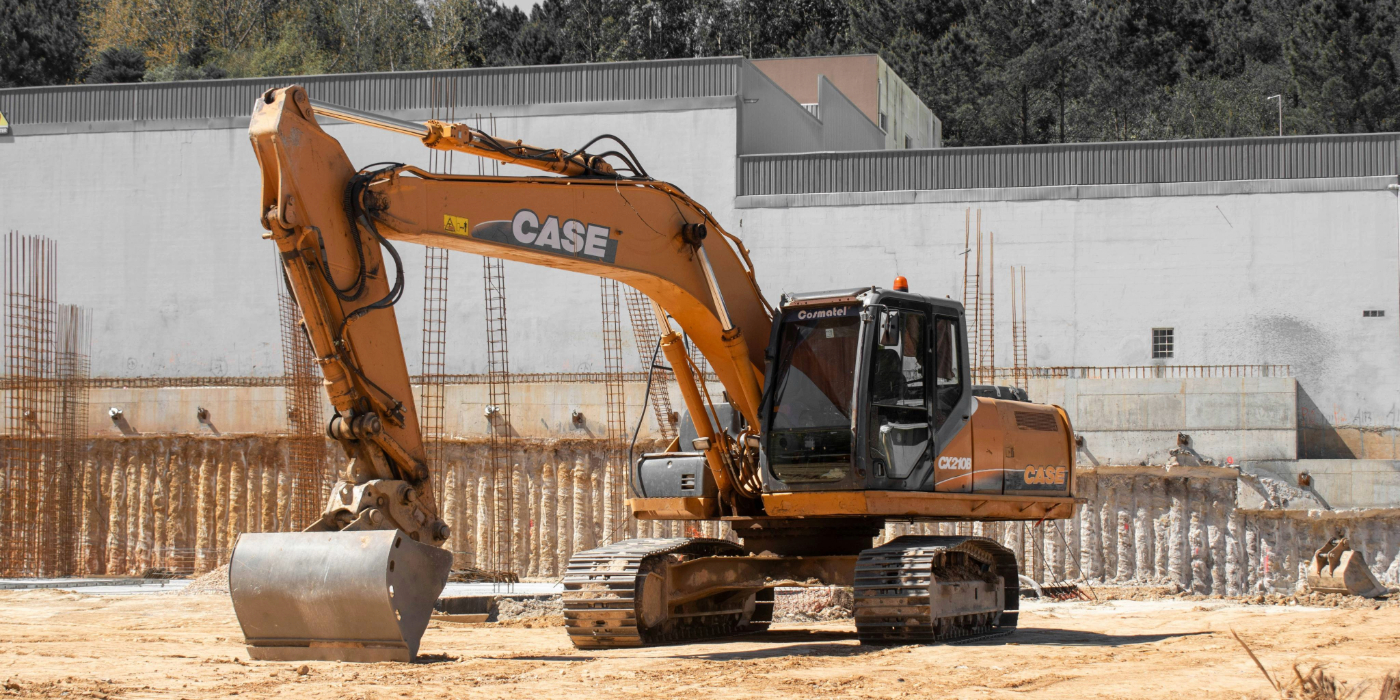
For example, a business operating a fleet of excavators, loaders or other motorized equipment may use a tracking device connected to the equipment’s electrical system.
However, this approach becomes less practical for unpowered assets.
Consider a trailer being transported by a commercial truck. A vehicle tracker installed in the truck can report the truck’s location, but it cannot independently determine where the trailer goes after it is disconnected.
Installing a separate asset tracker on the trailer provides independent location information, even when the trailer is parked at a different location or connected to another vehicle.
This distinction is particularly important for transportation companies and businesses that regularly move equipment between job sites.
Do Businesses Need Both Asset and Vehicle Trackers?
Many businesses operate a combination of powered vehicles and unpowered equipment. In these situations, using both types of tracking devices can provide a more complete picture of fleet activity.
For example, a construction company might use vehicle trackers on its pickup trucks and heavy-duty service vehicles while installing asset trackers on generators, trailers and equipment stored at different job sites.
A transportation company might monitor its tractors using vehicle tracking devices and equip its trailers with independent asset trackers.
Combining these tracking methods can help businesses:
- Improve equipment visibility: See where vehicles and equipment are located without relying on separate manual records.
- Reduce unnecessary expenses: Identify equipment that is sitting unused or being unnecessarily duplicated across locations.
- Monitor unauthorized movement: Receive alerts when tracked equipment moves outside expected operating hours or designated areas.
- Improve equipment allocation: Determine which assets are available before renting or purchasing additional equipment.
- Support asset recovery: Review available location information when equipment is lost or stolen.
The Canadian Centre for Cyber Security also recognizes asset location technologies as a way to monitor the location and movement of vehicles, equipment and other important assets.

What Should You Consider When Choosing a GPS Tracking Device?
Choosing between an asset tracker and a vehicle tracker starts with understanding what you need to monitor.
1. Identify the equipment being tracked.
Determine whether you are monitoring powered vehicles, unpowered equipment or a combination of both. The available power source is one of the most important factors when selecting tracking hardware.
2. Decide what information you need.
If you primarily need location information, movement alerts and equipment availability, an asset tracker may be sufficient. If you also need engine diagnostics, odometer readings, ignition information and vehicle activity, consider a compatible vehicle tracking device.
3. Consider reporting frequency.
Some operations require frequent location updates, while others only need periodic check-ins or alerts when an asset moves. Remember that more frequent reporting can reduce battery life on independent battery-powered trackers.
4. Evaluate installation and durability.
Consider where the device will be installed and the conditions it will experience. Equipment exposed to rain, dust, vibration, extreme temperatures or harsh working environments may require appropriately rated, rugged hardware.
5. Check connectivity and coverage.
GPS devices need a way to communicate location information to their tracking platform. Depending on the device, this may involve cellular or satellite connectivity. Businesses operating in rural or remote parts of Canada should consider network coverage across their operating areas.
GPS positioning and data transmission are separate processes. A device may be able to determine its location using satellite signals but still be unable to transmit an update immediately if its communication network is unavailable.
For more information, GPS.gov explains how signal obstructions and environmental conditions affect GPS accuracy.
6. Consider how the tracking information will be used.
Location history, movement alerts, geofences and reporting tools can help businesses manage their equipment more effectively. Choose a tracking system that provides useful information in a format that fleet managers and other employees can easily access.
Businesses should also establish appropriate policies around employee monitoring. Canada’s Office of the Privacy Commissioner recommends limiting workplace information collection to what is necessary for identified purposes, providing meaningful notice and maintaining appropriate privacy safeguards. More information is available in its Privacy in the Workplace guidance.
Final Thoughts: Choosing Between Asset Trackers and Vehicle Trackers
Asset trackers and vehicle trackers both provide valuable location information, but they address different fleet management challenges.
Vehicle trackers are generally the better choice for monitoring powered vehicles and accessing available operational information. Asset trackers are designed to provide visibility into equipment, trailers and other movable property that may not have a reliable power source.
For businesses managing a combination of vehicles and equipment, using both solutions can help create a more complete view of their operations.
Not sure which tracking solution is right for your business? Contact GPS Tracking Canada to explore your options and find a GPS tracking solution that fits your vehicles, equipment and operational needs.
Frequently Asked Questions
What is the main difference between an asset tracker and a vehicle tracker?
A vehicle tracker is designed to monitor powered vehicles and may collect information such as location, ignition activity, odometer readings and available engine diagnostics. An asset tracker focuses on the location and movement of equipment, trailers and other movable property, often using an independent power source.
Can I use an asset tracker to track a vehicle?
Yes. An asset tracker can monitor a vehicle’s location and movement, particularly when independent or battery-powered tracking is preferred. However, it may not provide vehicle-specific information such as engine diagnostics, ignition status or odometer readings available through compatible vehicle tracking devices.
Can a vehicle tracker be used to track a trailer?
A vehicle-powered tracking device may be installed on a trailer if a suitable power connection is available. However, a tracker installed in the towing vehicle only follows that vehicle. An independent asset tracker provides separate location information for the trailer, including when it is disconnected from the truck.
What types of equipment can asset trackers monitor?
Asset trackers can be used on a wide range of movable equipment, including trailers, shipping containers, generators, compressors, construction machinery, storage units, industrial equipment and other valuable assets. The appropriate device depends on the equipment’s power availability, operating environment and tracking requirements.
Do asset trackers need a battery?
Many asset trackers use internal batteries because they are designed for equipment without a consistent power source. However, other configurations can connect to an external electrical supply or use supplemental solar power. The appropriate option depends on the asset and how frequently its location needs to be updated.
How long does an asset tracker's battery last?
Battery life varies depending on the device’s battery capacity, reporting frequency, movement, network conditions and operating environment. Some devices are designed for extended periods of operation, while others require more frequent charging or battery replacement. More frequent location updates generally consume more power.
Do vehicle trackers require regular battery replacement?
Most vehicle tracking devices connected directly to a vehicle’s electrical system do not require regular battery replacement for their primary power supply. Some devices may contain backup batteries, but their power requirements depend on the hardware and installation configuration.
Do asset trackers provide real-time location updates?
Some asset trackers support frequent or near-real-time location reporting, while others provide updates at scheduled intervals or when movement is detected. Reporting capabilities depend on the device, configuration and network availability. Businesses should compare reporting intervals carefully before selecting a tracker.
Do asset trackers and vehicle trackers both use GPS?
Many asset and vehicle tracking devices use GPS or other satellite positioning systems to calculate their location. However, not every product marketed as an asset tracker uses standalone GPS. Some use Bluetooth Low Energy, RFID or other technologies that depend on nearby receivers or network infrastructure.
What is the difference between GPS and cellular tracking?
GPS uses signals from satellites to calculate a device’s geographical position. Cellular connectivity allows the device to transmit that location and other information to a tracking platform. They serve different purposes, although commercial GPS tracking devices commonly use both technologies. Some devices use satellite communications instead of cellular networks.
Can GPS trackers monitor equipment inside warehouses?
GPS signals can become unreliable indoors because buildings and surrounding structures obstruct satellite signals. A GPS tracker may still provide its last reported outdoor location, but it should not be assumed to provide accurate indoor positioning. Bluetooth, RFID or other indoor positioning technologies may be more appropriate for locating equipment within warehouses.
How accurate are asset and vehicle GPS trackers?
GPS accuracy depends on the receiver, satellite visibility, surrounding environment and other positioning conditions. Buildings, bridges, trees and indoor environments can interfere with GPS signals. Both asset and vehicle tracking devices can experience positioning limitations, so their accuracy should not be assumed to be identical in every operating environment.
Can asset trackers help recover stolen equipment?
Yes. Asset trackers can provide useful location information, movement history and alerts that may help businesses respond when equipment is stolen or moved without authorization. However, tracking does not guarantee theft prevention or recovery. Devices may stop reporting if they are damaged, removed, obstructed or affected by connectivity problems.
Can asset trackers monitor equipment utilization?
Some asset tracking systems provide movement history, activity information and reporting features that help businesses understand how frequently equipment is being used. This information can reveal assets that remain idle for extended periods and help managers improve equipment allocation. The available utilization data depends on the tracker and its reporting capabilities.
Can GPS trackers work in remote areas of Canada?
GPS devices can determine their positions using satellite signals, but transmitting those positions requires a compatible communication network. Cellular tracking devices may experience reporting interruptions in areas without cellular coverage. Some devices can store information until connectivity returns, while satellite-connected tracking solutions may be better suited to certain remote operations.
Are asset trackers waterproof and weather-resistant?
Some asset trackers are designed with weather-resistant and rugged enclosures for outdoor applications. However, protection levels vary between devices. Businesses should check the manufacturer’s ingress protection rating, temperature specifications and resistance to dust, moisture and vibration before installing a tracker on exposed equipment.
Can businesses use asset trackers and vehicle trackers together?
Yes. Businesses with mixed fleets can combine vehicle tracking for powered vehicles with independent asset tracking for trailers, containers and equipment. This provides visibility into both transportation activity and the location of equipment that may be disconnected from its towing vehicle or moved independently.
What is the difference between an OBD-II tracker and a battery-powered asset tracker?
An OBD-II tracker connects to a compatible vehicle’s onboard diagnostic port for power and access to available vehicle information. A battery-powered asset tracker operates independently of a vehicle’s electrical system and is generally used to monitor equipment that does not have a consistent power source.
Are there privacy considerations when using GPS vehicle trackers in Canada?
Yes. Businesses should establish clear purposes for collecting location information, inform employees about applicable monitoring practices and limit information collection to what is reasonably necessary. Canadian workplace privacy obligations vary depending on the organization and applicable federal or provincial legislation. Employers should review the relevant requirements before implementing employee monitoring.
How do I choose between an asset tracker and a vehicle tracker?
Start by identifying what you need to monitor and the information you want to collect. Vehicle trackers are generally better suited to powered fleet vehicles where operational information is important. Asset trackers are more appropriate for equipment, trailers and other movable property that may not have a reliable power supply. Businesses managing both types of equipment may benefit from combining the two solutions.