

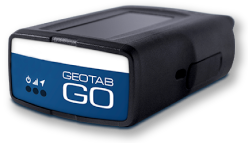
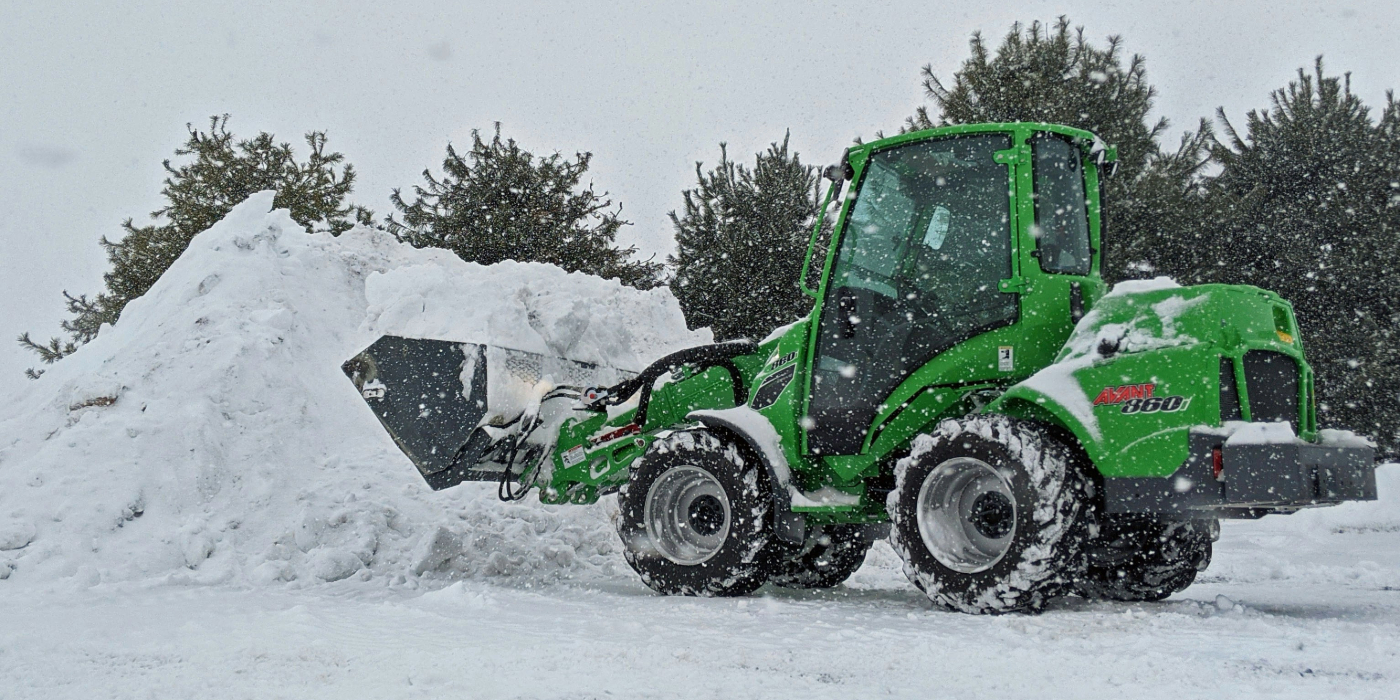
GPS Tracking for Snow Removal Contractors This Winter
Winter can be one of the busiest and most demanding seasons for snow removal contractors. When snowfall hits, crews need to respond quickly, vehicles must cover multiple properties and roadways, and equipment needs to remain operational throughout long shifts. Managing these activities becomes increasingly difficult when several crews are working across different service areas.
GPS tracking gives snow removal businesses better visibility into their vehicles, equipment, and daily operations. By monitoring vehicle locations, reviewing route history, and maintaining service records, contractors can improve dispatching, coordinate their teams, and keep customers informed throughout the winter season.
Here is how GPS tracking can help snow removal contractors prepare for winter and manage their fleets more efficiently.
1. Monitor Snow Removal Vehicles in Real Time
During a snowstorm, knowing where your vehicles are can make a significant difference in how efficiently crews are deployed. When multiple trucks are working across different properties, manually checking on every driver can become time-consuming.
GPS tracking allows managers to view vehicle locations through a centralized platform. This makes it easier to identify which vehicles are working in each area, determine which crews are available, and coordinate additional support when needed.
For example, if a commercial property requires another round of snow clearing, a manager can review nearby vehicle locations and coordinate the next available crew. This can reduce unnecessary travel and help businesses respond to changing conditions.
2. Improve Route Planning and Service Coverage
Snow removal contractors often work with predetermined routes covering residential properties, commercial parking lots, private roads, and municipal service areas. During heavy snowfall, poorly coordinated routes can lead to overlapping work, missed locations, and unnecessary mileage.
GPS tracking provides historical route information that businesses can use to review how vehicles travel between service locations. Managers can compare vehicle movements against assigned routes, identify areas where crews spend excessive time travelling, and adjust future schedules.
Geofencing can also help organize service locations. By creating virtual boundaries around customer properties, equipment yards, and storage facilities, managers may receive notifications when vehicles enter or leave designated areas, depending on the platform’s capabilities.
Over time, reviewing this information can help contractors develop more practical routes and distribute work more evenly across their fleets.
3. Verify Completed Work and Maintain Service Records
Providing evidence of completed work is important for contractors managing commercial properties and municipal snow removal agreements.
GPS tracking can create a record of vehicle locations, timestamps, stops, and travel history. Managers can review this information to establish when a vehicle arrived at a property, how long it remained in the area, and whether it travelled along its assigned route.
These records can be particularly useful when customers question whether a property was serviced or when contractors need to review their work following a storm.
However, vehicle location alone does not confirm that snow was actually cleared or that salt was applied. Businesses requiring more detailed verification should consider compatible equipment sensors that can record activities such as plow blade position or material spreading.
The City of Toronto’s 2025 Winter Maintenance Program Follow-Up highlights the importance of reliable GPS reporting and properly configured monitoring systems when evaluating contractor performance.

4. Coordinate Crews During Changing Weather Conditions
Winter weather can change quickly, making it difficult to follow a fixed operating schedule. Heavy snowfall, freezing rain, snow squalls, and sudden temperature changes can all affect how and when snow removal work needs to be completed.
Environment and Climate Change Canada issues alerts for several types of severe winter weather, including snowfall, freezing rain, blizzards, and flash freezes. Contractors can use these alerts alongside their GPS tracking platform to prepare crews and coordinate their response.
When conditions change, managers can review vehicle locations and communicate adjustments to their teams. This can help contractors prioritize urgent service requests, move available equipment between service areas, and respond to unexpected operational demands.
GPS tracking does not replace weather monitoring or safe dispatch decisions, but it gives managers another source of information when coordinating their response.
For official Canadian weather alerts, businesses can consult Environment and Climate Change Canada’s severe winter weather resources.
5. Manage Fuel Consumption and Vehicle Idling
Fuel expenses can increase during winter as snow removal vehicles operate for extended periods, travel between properties, and spend time waiting for assignments.
GPS tracking can help businesses review vehicle activity and identify opportunities to improve fuel efficiency. Depending on the device and available vehicle data, managers may be able to review idling time, travel distances, operating hours, and vehicle utilization.
This information can help identify vehicles that spend excessive time idling, routes involving unnecessary travel, or equipment that is not being used efficiently.
For example, reviewing historical routes may reveal that two trucks regularly cover overlapping areas. Adjusting their assignments could reduce unnecessary mileage and improve fleet utilization.
These insights give contractors a better understanding of where operating expenses are coming from and where adjustments may be worthwhile.
6. Monitor Fleet Equipment and Maintenance Requirements
Snow removal operations place considerable demands on vehicles and equipment. Plow trucks, loaders, skid steers, salt spreaders, and other machinery must remain dependable during periods when delays can affect multiple customers.
Cold temperatures can also affect equipment performance. According to the Canadian Centre for Occupational Health and Safety (CCOHS), extreme cold can reduce battery efficiency, interfere with equipment components, and contribute to operational disruptions.
GPS tracking can support maintenance planning by giving managers access to vehicle locations and, where compatible data is available, odometer readings, engine hours, and operating information.
This information can help businesses schedule maintenance, identify equipment that is approaching service intervals, and locate vehicles that need assistance.
Combining GPS tracking with regular inspections and preventive maintenance practices can help contractors identify potential problems before they cause significant interruptions.
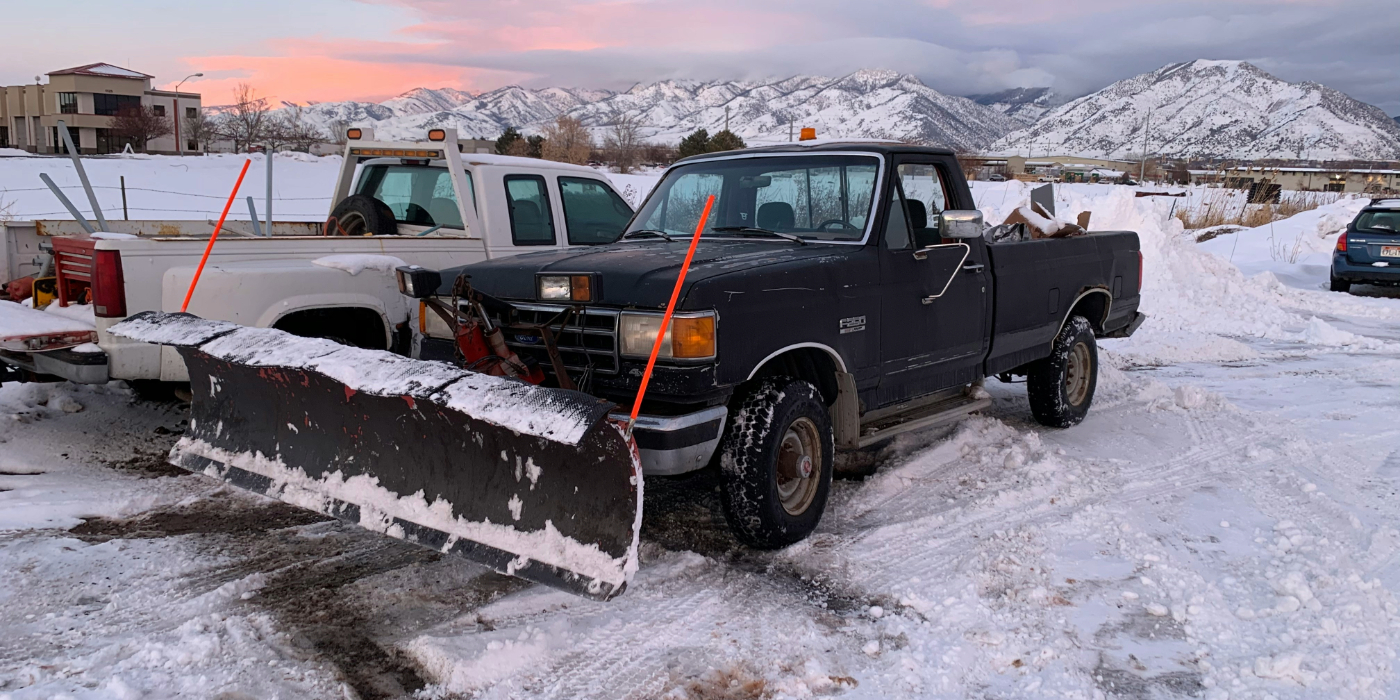
7. Improve Customer Communication and Service Accountability
Customers expect snow removal contractors to provide timely service, particularly when snow accumulation affects access to commercial properties, parking areas, and private roads.
When customers request updates, managers can review vehicle locations and recent activity to provide more informed responses.
For example, if a property manager wants to know whether a parking lot has been serviced, dispatch staff can review the assigned vehicle’s location history and check its recorded arrival and departure times.
Maintaining organized service records can also make it easier to investigate complaints, answer questions about service schedules, and support billing discussions.
For contractors managing dozens or hundreds of properties, having accessible fleet information can make customer communication much easier than relying entirely on driver recollections or manually maintained logs.
8. Prepare Your GPS Tracking System Before Winter
GPS tracking is most useful when the equipment and reporting systems are properly configured before winter operations begin.
Before the first major snowfall, contractors should review their tracking setup and make sure their fleet information is accurate.
Some important preparation steps include:
- Check device connectivity: Confirm that all installed GPS devices are reporting locations correctly and that their latest updates are available.
- Review assigned vehicles: Make sure each vehicle and piece of tracked equipment is correctly identified in the platform.
- Configure routes and geofences: Establish service areas, customer locations, depots, and other important operating zones.
- Set up useful alerts: Configure notifications for events such as unauthorized vehicle movement, extended stops, or unexpected activity where supported.
- Check equipment integrations: Verify that any connected plow or spreader sensors are installed, calibrated, and recording the correct information.
- Review reporting requirements: Determine which reports managers need to review during and after each winter event.
Contractors should also establish clear procedures for reviewing GPS information, responding to equipment problems, and keeping service records organized.
Final Thoughts
Winter operations require snow removal contractors to manage changing weather conditions, tight service schedules, multiple crews, and equipment that needs to perform reliably. Without clear visibility into fleet activity, coordinating these responsibilities can become increasingly difficult as the business grows.
GPS tracking helps contractors monitor vehicles, review routes, maintain service records, and make more informed decisions throughout the winter season. With the right tracking setup, businesses can improve fleet coordination, support customer accountability, and gain better control over their day-to-day operations.
Looking to improve your snow removal operations this winter? Contact GPS Tracking Canada to explore GPS tracking solutions that can help your business manage vehicles, monitor equipment, and coordinate winter fleet activities.
Frequently Asked Questions
How can GPS tracking help snow removal contractors?
GPS tracking helps snow removal contractors monitor vehicle locations, coordinate crews, review assigned routes, and maintain service records. It gives managers better visibility into fleet activity, making it easier to manage multiple properties and respond to changing winter conditions.
Can GPS tracking show where snow plow trucks are in real time?
Yes. GPS tracking allows managers to view the latest reported locations of snow plow trucks through a web-based or mobile platform. Depending on the device’s reporting settings and network coverage, location updates can help dispatchers monitor active vehicles and coordinate crews during snow removal operations.
Can GPS tracking help contractors manage multiple snow removal routes?
Yes. GPS tracking provides historical route information that contractors can use to evaluate vehicle movements and service coverage. Managers can compare completed routes with assigned schedules, identify unnecessary travel, and make adjustments to improve how crews are distributed across different service areas.
Can GPS tracking verify whether a property has been serviced?
GPS tracking can provide location history and timestamps showing when a vehicle travelled to or remained near a customer property. This information can support service verification, although vehicle location alone does not confirm that snow was cleared. More detailed verification may require equipment sensors that record plow or spreading activity.
Can GPS tracking monitor whether a snow plow blade is up or down?
Some GPS tracking systems support integrations with compatible equipment sensors that can detect whether a plow blade is raised or lowered. When properly installed and configured, these sensors can provide additional information about where and when plowing activity occurred.
Can GPS tracking monitor salt and brine application?
GPS tracking can be combined with compatible spreader sensors to record material application activity. Depending on the equipment and integration, businesses may be able to review spreading locations, operating times, application rates, and material usage. A standard GPS location tracker cannot independently measure how much salt or brine is applied.
Can GPS tracking help with snow removal dispatching?
Yes. Managers can use vehicle location information to determine which crews are closest to a service location and identify available vehicles. This can help businesses coordinate assignments, respond to urgent requests, and adjust operations when weather conditions change.
Can GPS tracking help reduce fuel costs for snow removal businesses?
GPS tracking can help businesses identify unnecessary mileage, inefficient routes, excessive idling, and underused vehicles. By reviewing this information and adjusting fleet operations, contractors may find opportunities to reduce fuel consumption and improve vehicle utilization.
Can GPS tracking help contractors respond to customer complaints?
Yes. GPS location history and timestamped records can help contractors investigate questions about service visits. Managers can review when a vehicle entered or left a property and compare its movements with assigned work schedules. These records can provide useful supporting information when addressing customer concerns.
Can GPS tracking help contractors manage municipal snow removal contracts?
GPS tracking can help contractors monitor assigned vehicles, review routes, and maintain records of equipment activity. These capabilities can support contract reporting and performance reviews. Contractors should also ensure that their tracking systems meet any specific reporting, equipment, and documentation requirements outlined in their municipal agreements.
Can snow removal contractors track skid steers and other equipment?
Yes. Depending on the equipment and tracker compatibility, GPS devices can be installed on skid steers, loaders, tractors, and other machinery. This allows managers to monitor equipment locations and review movement history, helping businesses keep track of valuable machinery across multiple job sites.
Can GPS tracking monitor snow removal trailers and attachments?
Yes. Compatible asset tracking devices can help businesses monitor trailers and other equipment that may be transported between service locations. The appropriate device depends on whether the asset has a consistent power source, how frequently its location needs to be reported, and how long it must operate independently.
Can GPS tracking monitor vehicle idling during snow removal operations?
Some GPS tracking devices can record ignition status and idling activity, depending on the vehicle connection and available data. Managers can review this information to identify excessive idling and establish more efficient operating practices without compromising necessary winter readiness or driver safety.
Can GPS tracking help with winter vehicle maintenance?
GPS tracking systems that support odometer readings, engine data, or operating-hour monitoring can help contractors schedule preventive maintenance. Managers can use these records to identify vehicles approaching service intervals and organize maintenance before equipment problems disrupt winter operations.
Does GPS tracking still work during heavy snowfall or blizzards?
GPS positioning can continue operating during snowfall, but the availability of updated vehicle information also depends on the tracking device’s connectivity and cellular network coverage. Severe conditions, network interruptions, or equipment power issues may delay reporting. Contractors should check their devices and understand how their tracking system handles temporary communication interruptions.
Can GPS tracking send alerts when a vehicle enters or leaves a property?
Yes. GPS tracking platforms with geofencing capabilities can generate notifications when vehicles enter or leave predefined geographic boundaries. Contractors can use these alerts to monitor activity around customer properties, equipment yards, storage facilities, and other important locations.
Can GPS tracking help manage subcontractors during winter operations?
Yes. Businesses that work with subcontractors can use compatible GPS tracking systems to review participating vehicle locations and recorded activity. This can make it easier to coordinate assignments, review service coverage, and maintain consistent operational records across different crews.
What should snow removal contractors look for in a GPS tracking system?
Contractors should consider real-time vehicle location updates, historical route playback, geofencing, customizable alerts, reporting capabilities, and compatibility with their vehicles and equipment. Businesses that require detailed proof of plowing or material application should also investigate compatible equipment sensors and integrations.
Is GPS tracking useful for small snow removal businesses?
Yes. Even contractors with only a few trucks can benefit from knowing where their vehicles are, reviewing completed routes, and maintaining service records. GPS tracking can help smaller businesses coordinate daily work more efficiently while providing a foundation for managing additional vehicles as operations expand.