


GPS Jammers and Fleet Tracking: Risks, Warning Signs and Prevention
GPS tracking gives fleet managers the real-time visibility needed to coordinate vehicles, improve routing, monitor driver safety, respond to emergencies and protect valuable equipment. However, this visibility depends on reliable satellite signals. A GPS jammer can interfere with those signals, creating gaps in location data and disrupting the fleet management tools that businesses rely on.
Although GPS jammers are prohibited in Canada, they can still be obtained through unauthorized online sellers. Fleet operators should understand how these devices work, how GPS interference can affect operations and what warning signs may indicate a problem.
What Is a GPS Jammer?
A GPS jammer—sometimes called a GPS blocker or signal blocker—is a radio-frequency transmitter designed to interfere with the signals used by GPS receivers. GPS satellites transmit relatively weak signals from orbit. A nearby jammer broadcasts stronger radio noise on the same or similar frequencies, preventing the receiver from identifying and processing legitimate satellite signals.
When this happens, the tracking device may be unable to calculate its current position. Depending on the jammer and telematics system, the vehicle may disappear from a live map, remain frozen at its last known location or produce gaps in its trip history.
Some jammers target only GPS frequencies, while more advanced multi-band devices may interfere with cellular, Wi-Fi or other Global Navigation Satellite System (GNSS) signals. As explained in this fleet-focused overview of GPS jammers, interference can therefore affect both location calculation and the communication channel used to transmit data to a fleet management platform.
GPS Jamming and GPS Spoofing Are Different
GPS jamming and GPS spoofing are related threats, but they do not work in the same way.
Jamming is a denial-of-service attack. It overwhelms legitimate satellite signals so the GPS receiver cannot calculate a reliable location. Spoofing is a data-manipulation attack that imitates satellite signals and attempts to make the receiver calculate a false location.
The Canadian Centre for Cyber Security’s explanation of positioning, navigation and timing interference describes jamming as making positioning information unavailable, while spoofing deceives a system into accepting incorrect information. For a fleet manager, jamming may appear as missing location data, while spoofing may create impossible routes, sudden location jumps or movement in the wrong area.
Why Would Someone Use a GPS Jammer?
A person may use a jammer to conceal unauthorized vehicle use, hide an unapproved stop or prevent an employer from seeing where a company vehicle is travelling. Criminals may also attempt to interfere with tracking systems during vehicle, trailer, equipment or cargo theft.
A jammer does not provide legitimate privacy protection. It can affect devices beyond the person using it, including nearby navigation systems, communication networks and safety-related services. A small jammer operating inside one vehicle may cause localized interference that affects other vehicles travelling nearby.
Are GPS Jammers Illegal in Canada?
Yes. Innovation, Science and Economic Development Canada states that jammers are prohibited in Canada under the Radiocommunication Act.
Unless a specific ministerial exemption applies, Canadian law prohibits the installation, use, possession, manufacture, importation, distribution, lease, offer for sale and sale of jammers. Intentionally interfering with or obstructing radiocommunications is also prohibited.
These restrictions exist because jammers can interfere with GPS, mobile networks, Wi-Fi and safety-related communication systems. They may prevent people from reaching 9-1-1 or disrupt systems used for the safe navigation of aircraft, ships and trains.
ISED can impose administrative monetary penalties of up to $25,000 for an individual’s first violation and $50,000 for subsequent violations. Businesses and other entities may face penalties of up to $10 million for a first violation and $15 million for subsequent violations. Unlawful equipment may also be seized, and other enforcement measures may apply.
How GPS Jammers Impact Fleet Operations
Loss of Real-Time Vehicle Visibility
The most immediate effect is the loss of reliable location information. Dispatchers may no longer be able to see where a vehicle is, whether it has reached a customer or how its route is progressing.
This makes it harder to respond to delays, assign nearby drivers, adjust schedules or provide accurate arrival estimates. If the interference continues, managers may have to contact drivers manually and coordinate work without dependable map data.
Routing and Dispatch Disruptions
Live vehicle locations help dispatchers assign jobs and respond to changing conditions. When location data disappears, dispatchers may send a vehicle that is farther away, overlook a nearby driver or provide directions based on an outdated position.
These disruptions can increase unnecessary mileage, travel time, fuel use and administrative work. Delivery, field service, towing, construction and emergency-response fleets can be especially affected because their schedules depend heavily on accurate vehicle locations.
Incomplete Trip and Activity Records
GPS interference can create gaps, straight lines or unexplained jumps in a vehicle’s trip history. Stops may be missing, route deviations may not appear and arrival or departure times may be incomplete.
These gaps can make it difficult to verify completed work, respond to customer questions, review complaints or establish proof of service. They can also reduce the reliability of reports that depend on distance, location or time spent at particular sites.
Reduced Driver-Safety Context
Location and speed data help fleet managers investigate speeding, collisions, harsh driving and other safety events. A jammer may remove the location context needed to understand where an event occurred, what road the vehicle was travelling on or whether it followed an approved route.
A GPS-only jammer does not necessarily stop every telematics function. Depending on the hardware, information from the vehicle’s engine or internal sensors may continue to be recorded. However, losing location data can make those events more difficult to interpret and may delay assistance when a vehicle breaks down or is involved in a collision.
Weaker Geofence and Unauthorized-Use Alerts
Geofences depend on location data to determine when a vehicle enters or leaves a defined area. If a tracker cannot calculate its position, expected geofence alerts may be delayed or may not occur.
This can reduce visibility into after-hours movement, unauthorized vehicle use, route deviations and activity around company yards, customer locations or high-risk areas.
Greater Vehicle, Equipment and Cargo-Theft Risk
GPS tracking can help a fleet identify unauthorized movement and share location information with law enforcement after a theft. If a jammer blocks the tracking signal, the vehicle or asset may be more difficult to locate.
A jammer can also delay the first indication that something is wrong. The vehicle may simply stop reporting instead of generating a clear movement or geofence alert. For this reason, GPS tracking should be part of a layered security strategy that also includes secure installations, tamper alerts, physical security, access controls and documented theft-response procedures.
Maintenance and Utilization Reporting Gaps
Some maintenance and utilization reports rely on GPS-derived distance, movement or operating-time information. Missing data can affect mileage estimates, asset-use reports and preventive-maintenance planning.
The exact impact depends on the telematics hardware. Devices connected directly to the vehicle may continue collecting engine information even when satellite reception is unavailable. Fleet managers should therefore determine which data was actually lost before assuming that every vehicle record is incomplete.
Compliance and Recordkeeping Challenges
Commercial fleets may use location data to support hours-of-service records, fuel-tax reporting, route documentation or other compliance processes. GPS interference does not automatically mean that every compliance function stops, but missing or inconsistent location records can complicate reviews, audits and supporting documentation.
Suspected interference should be investigated promptly so the fleet can document what happened, determine which records were affected and preserve any available supporting information.
Warning Signs of Possible GPS Jamming
A single GPS dropout does not prove that a jammer is being used. Satellite reception can also be affected by underground garages, tunnels, tall buildings, metal structures, poor antenna placement, damaged wiring, cellular outages or equipment faults.
Possible warning signs include:
- A vehicle stops reporting in an area where it normally has reliable coverage.
- Trip histories contain unexplained gaps, straight lines or impossible location jumps.
- A vehicle appears stationary even though other records show that it was moving.
- GPS and cellular connectivity disappear at the same time.
- The same vehicle repeatedly loses its signal during particular shifts or routes.
- Several nearby vehicles lose GPS reception at approximately the same time.
- Drivers report frozen navigation maps or repeated “GPS signal lost” messages.
- Data loss begins and ends at locations unrelated to tunnels, garages or known coverage limitations.
- A device reports interference, tampering or GPS-jamming diagnostic events.
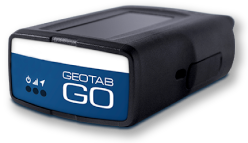
Some telematics systems can actively identify signal-interference patterns. For example, Geotab explains that compatible devices can report GPS-jamming detection events while continuing to collect other available vehicle information. Detection capabilities and retained data will depend on the device, installation and platform configuration.
What Fleets Should Do When Jamming Is Suspected
The first priority is confirming the safety and location of the driver and vehicle. Fleet managers should then record when the signal loss began, the last known location, the vehicle involved and any related driver, dispatch or sensor information.
Next, compare the event with known coverage conditions and other vehicles operating nearby. Check whether the vehicle was inside a tunnel, garage, service facility or area surrounded by tall structures. Review the tracker’s power, wiring, antenna placement, cellular connection and diagnostic information. The fleet’s GPS tracking provider can help determine whether the issue points to equipment failure, connectivity loss, physical obstruction, tampering or possible radio-frequency interference.
If deliberate interference remains a reasonable concern, preserve the relevant logs and follow the organization’s safety, privacy and incident-response procedures. Do not operate, test or attempt to counter a suspected jammer. After equipment and service-provider causes have been ruled out, ISED advises affected organizations to contact their nearest district office to report suspected jamming.
How Fleets Can Reduce the Risk
Fleets cannot prevent every source of radio-frequency interference, but they can make deliberate jamming easier to detect and less disruptive.
Establish a written policy that prohibits jammers, signal blockers and unauthorized interference with fleet equipment. Explain that these devices are illegal in Canada and can disrupt emergency communications—not simply company tracking.
Install telematics hardware securely and use tamper-resistant or concealed installations where appropriate. Configure alerts for devices that stop reporting, lose power, generate tamper events or show unusual GPS patterns. Regularly review these exceptions instead of waiting until a vehicle is needed during an emergency.
Fleets should also maintain backup communication and dispatch procedures. Driver check-ins, recorded job assignments, mobile communications and documented escalation contacts can help operations continue during a temporary outage. For high-value vehicles and cargo, consider layered tracking and security measures so protection does not depend on a single signal, device or installation location.
Protect Fleet Visibility with the Right GPS Tracking Strategy
GPS jammers can disrupt routing, dispatching, safety monitoring, geofence alerts, reporting and theft-response efforts. Recognizing the warning signs and investigating unusual data quickly can help a fleet distinguish intentional interference from an ordinary coverage or equipment problem.
GPS Tracking Canada can help businesses select securely installed GPS tracking solutions, configure useful alerts and build reporting processes that make unusual activity easier to identify. To strengthen your fleet visibility and prepare for potential signal disruptions, contact us to discuss a GPS tracking solution for your vehicles and assets.
Frequently Asked Questions
What is a GPS jammer?
A GPS jammer is a radio-frequency transmitter that interferes with the satellite signals used by GPS receivers. It can prevent a vehicle tracking device from calculating or reporting an accurate location.
How does a GPS jammer work?
A GPS jammer broadcasts radio noise that overpowers the relatively weak signals transmitted by GPS satellites. This can cause a nearby GPS receiver to lose its location or display incomplete information.
How do GPS jammers affect fleet tracking?
GPS jammers can cause vehicles to disappear from live maps, remain at their last known locations, or produce gaps in their trip histories. This reduces the fleet manager’s ability to monitor vehicles and coordinate operations.
Are GPS jammers illegal in Canada?
Yes. The installation, use, possession, manufacture, importation, distribution, lease, and sale of jammers are generally prohibited in Canada under the Radiocommunication Act unless a specific exemption applies.
Why are GPS jammers prohibited in Canada?
GPS jammers are prohibited because they can disrupt navigation, mobile networks, emergency communications, and other authorized radio services. Their use may prevent people from contacting 9-1-1 or interfere with safety-related systems.
What penalties can apply for using a GPS jammer in Canada?
Individuals and businesses involved in illegal jammer activities may face administrative monetary penalties, seizure of the device, and other enforcement measures. The penalty depends on the circumstances and whether previous violations have occurred.
Why would someone use a GPS jammer in a fleet vehicle?
Someone may use a jammer to conceal unauthorized vehicle use, hide unapproved stops, or prevent an employer from monitoring a company vehicle. Criminals may also attempt to block tracking during vehicle, equipment, or cargo theft.
Can a GPS jammer affect more than one vehicle?
Yes. A jammer can interfere with other GPS receivers within its operating range. Depending on its power and location, it may affect nearby vehicles, equipment, navigation devices, and communication systems.
Can GPS jammers interfere with cellular service?
Some jammers target only GPS frequencies, while multi-band jammers may also interfere with cellular, Wi-Fi, or other wireless signals. Losing both GPS and cellular connectivity at the same time may indicate broader interference.
What is the difference between GPS jamming and GPS spoofing?
GPS jamming blocks or overwhelms satellite signals, making location information unavailable. GPS spoofing imitates legitimate signals to make a receiver calculate an incorrect location.
What are the warning signs of possible GPS jamming?
Warning signs can include unexplained GPS outages, missing trip data, impossible location jumps, frozen vehicle positions, straight lines on route maps, and repeated signal loss in the same place or during the same shift.
Does every lost GPS signal mean a jammer is being used?
No. GPS reception can also be affected by tunnels, underground garages, tall buildings, metal structures, poor antenna placement, damaged wiring, cellular outages, or equipment problems. These possibilities should be investigated first.
Can GPS jamming disrupt fleet dispatching?
Yes. Without accurate vehicle locations, dispatchers may have difficulty assigning the closest driver, adjusting routes, responding to delays, and providing customers with reliable arrival estimates.
How can GPS jamming affect driver safety?
Jamming can remove the location context associated with speeding, collisions, breakdowns, and other safety events. It may also make it harder for fleet managers or emergency responders to locate a driver who needs assistance.
Can a GPS jammer stop geofence alerts?
Yes. Geofence alerts depend on accurate location data. If a tracking device cannot determine where the vehicle is, entry, exit, and unauthorized-movement alerts may be delayed or missed.
How does GPS jamming affect vehicle theft recovery?
A jammed tracking device may not provide the real-time location needed to follow a stolen vehicle or asset. This can delay the fleet’s response and make recovery more difficult.
Does GPS jamming stop all telematics data?
Not necessarily. Depending on the device and type of interference, engine data, fault codes, driver behaviour events, and other vehicle information may continue to be collected. However, the location connected to those events may be missing.
Can GPS jamming affect fleet compliance records?
Yes. Missing location information can complicate trip records, hours-of-service documentation, fuel-tax reporting, and other compliance processes. The exact impact depends on the system and the records required.
How can fleets reduce the risk of GPS jamming?
Fleets can establish policies prohibiting jammers, educate drivers, install tracking hardware securely, configure non-reporting and tamper alerts, monitor unusual data patterns, and maintain backup communication procedures.
What should a fleet manager do if GPS jamming is suspected?
The manager should confirm the safety of the driver, document the time and location of the outage, review device diagnostics, and rule out coverage or equipment problems. If deliberate interference remains a concern, the fleet should contact its tracking provider and report the suspected jamming to ISED.