

Tracking Trailers That Rotate Between Trucks: Battery-Powered vs. Wired GPS Trackers
When trailers are regularly moved between different trucks, tracking the tractor alone doesn’t provide a complete picture of your fleet. As soon as a driver drops a trailer at a customer location, distribution centre or storage yard, the truck moves on and the trailer is no longer visible through the vehicle’s GPS tracker.
Trailers that rotate between trucks need their own tracking devices. Choosing the right solution comes down to whether the trailer has a reliable power source and how much location and usage information you want to collect.
This guide compares the two main options, battery-powered and wired GPS trackers, explains how each works when trailers are frequently exchanged between trucks, and explores how Geotab’s Next Gen GO Anywhere and GO Anywhere Plus can support different tracking requirements.
Why Tracking Trailers That Rotate Between Trucks Can Be Challenging
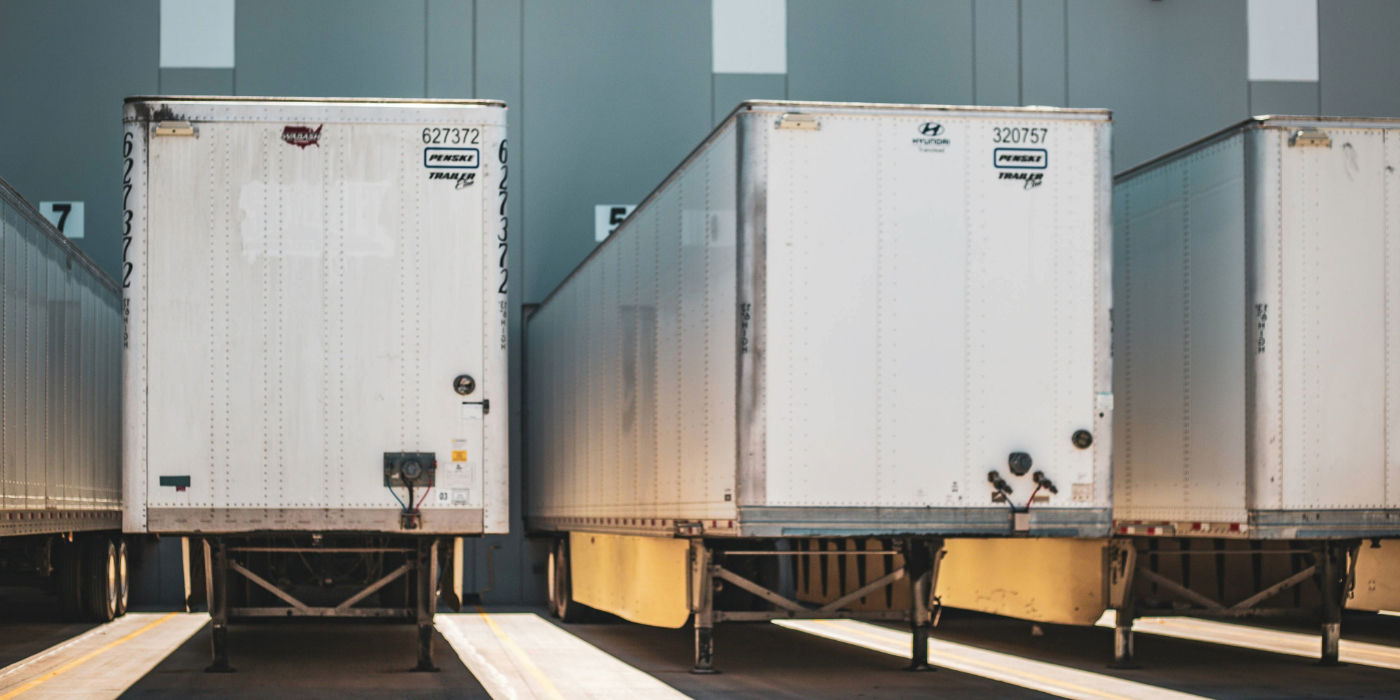
In drop-and-hook operations, trailers regularly move between shipping locations, customer facilities, distribution centres and storage yards while tractor units continue their routes. A single trailer might be pulled by several different trucks throughout the week before remaining parked for days.
Although this approach gives fleet operators greater flexibility, it can also create several operational challenges:
- Lost or forgotten trailers. An empty trailer left at a customer location or overflow storage area might remain there for several days before anyone realizes it hasn’t returned.
- Dwell and detention time. Without reliable arrival and departure records, it’s difficult to determine how long a trailer has been waiting at a facility or whether it should have been collected.
- Cargo theft and security risks. Unattended trailers can become targets for theft, particularly when carrying valuable goods. Verisk CargoNet recorded 547 supply chain crime incidents across Canada and the United States in Q3 2026. Estimated losses reached US$230.1 million, representing a 12% increase compared with the same quarter in 2025.
- Unnecessary equipment purchases. Without knowing which trailers are available, active or sitting idle, businesses may purchase or lease additional equipment they don’t actually need.
Installing a GPS tracker directly on each trailer helps address these challenges. Since the device remains attached to the trailer, its location can be monitored regardless of which truck is transporting it.
Battery-Powered GPS Trackers
A battery-powered GPS tracker operates using its own internal battery instead of relying on the trailer’s electrical system. This eliminates the need for wiring, electrical connections or additional installation work whenever a trailer is assigned to another truck.
Best for: Non-powered trailers, including dry vans, roll-off bins and storage containers, particularly when managing large numbers of assets.
Next Gen GO Anywhere
The Next Gen GO Anywhere is a rugged, battery-powered GPS tracking device designed to provide long-term visibility into non-powered assets. Its main features include:
- Automated hourly location updates. Location information is sent to MyGeotab automatically, allowing fleet managers to monitor their trailers without having to check each yard or storage location.
- Up to 10 years of operational life. Its long-lasting internal battery is designed to provide years of operation without regular battery changes or maintenance visits. Actual lifespan depends on reporting activity, environmental conditions and network availability.
- High Frequency Mode. When enabled, location reporting increases to 15-minute intervals, providing more frequent updates when additional visibility is needed, such as during a suspected theft.
- Quick, wire-free installation. The tracker can be mounted using screws or suitable adhesive, without connecting it to the trailer’s electrical system or requiring complicated configuration.
- Built for demanding environments. IP67 and IP69K protection, along with SAE J1455 testing, help the device withstand exposure to dust, water, vibration and temperature changes. Its operating temperature range is approximately -40°C to +70°C.
- Integration with MyGeotab. Trailers appear on the same platform and map as your vehicles, giving fleet managers one place to monitor their equipment.
The Next Gen GO Anywhere is designed to report location information rather than detailed vehicle data. It does not record ignition status, engine hours or distance travelled.
For Canadian fleets, the device supports LTE CAT-M1 connectivity through Canadian networks including Bell, Rogers and Telus. Actual availability and signal strength depend on the carrier and the areas where your assets operate.
Where battery-powered tracking works best for rotating trailers: Since the device operates independently of the truck, it continues reporting when a trailer is disconnected, parked or placed in long-term storage. This makes it particularly useful for spare trailers, seasonal equipment and large trailer pools that spend considerable time sitting idle.
The trade-off: Standard hourly reporting provides periodic location updates rather than continuous trip visibility. You can see where a trailer was reported, but you won’t receive the same level of detailed movement information available from a wired tracker.
Wired GPS Trackers
A wired GPS tracker receives power from the trailer or equipment it is installed on. Having an external power source allows the device to provide more frequent location updates and collect additional information about asset movement and usage.
Best for: Powered trailers, refrigerated trailers, generators and other equipment where more detailed location and usage information is required.
GO Anywhere Plus
The GO Anywhere Plus offers a hybrid tracking solution. It can connect directly to an asset’s electrical system while also maintaining a field-replaceable backup battery with an estimated lifespan of approximately 3 to 5 years.
This combination makes it particularly useful for trailers that frequently switch between trucks because their power supply is not always available.
According to Geotab’s installation documentation, when the GO Anywhere Plus is wired to a trailer through the truck’s electrical connection, it can recreate trips while the trailer is connected to a running truck. Once disconnected, or when the connected truck is turned off, the device automatically switches to battery-powered operation.
This allows the tracker to continue monitoring the trailer through different hookups, drop-offs and transfers without requiring manual intervention.
What GO Anywhere Plus provides:
- Near real-time location tracking when wired. External power allows the device to provide more frequent location updates and detailed information about asset movement.
- Detailed trip and usage information. Depending on the installation, the device can collect ignition events, trip history, distance travelled, inferred hubometer readings and engine hours for compatible equipment.
- Configurable battery-powered reporting. When external power is unavailable, the device can continue operating on its internal battery using different reporting settings, including High Frequency Mode.
- Direct-to-cell satellite connectivity. Through select carrier partners, compatible SIM configurations can extend asset visibility into areas without conventional cellular coverage. In Canada, Geotab documents support through Rogers direct-to-cell with Starlink, subject to regional availability and partner requirements.
- Built for harsh environments. IP67 and IP69K protection helps guard against dust, water and demanding operating conditions. The device supports temperatures from approximately -40°C to +85°C.
Harness Options for Trailers
The GO Anywhere Plus supports several Geotab-approved harness options for connecting the device to different power sources.
For rotating trailers, one of the most important accessories is the Trailer Power Harness. This 160 cm (63-inch) harness connects the tracker to a North American trailer power supply through an SAE J560 connection, making it suitable for compatible trailers operating in Canada and the United States.
Other harness options include external power, three-wire and cigarette lighter connections for compatible equipment and vehicles.
The trade-off: Unlike a battery-only tracker, a wired installation requires additional setup and the correct electrical connection. The trailer must also have a compatible power source for the device to operate in wired mode.

Side-by-Side Comparison
Feature |
GO Anywhere Plus |
Next Gen GO Anywhere |
|---|---|---|
Primary Asset Type |
Mixed fleets, powered & non-powered assets |
Non-powered assets (trailers, containers, equipment) |
Power Options |
Field-replaceable battery or direct external wiring |
Non-rechargeable battery (Li-MnO2) |
Battery Life |
3 to 5 years (field-replaceable) or extended if wired |
Up to 10 years |
Connectivity |
4G LTE Cat-1 bis with satellite fallback |
LTE (CAT-M1) |
Reporting Frequency |
Time-based, high-frequency (15-min), or movement-based |
Hourly pings; 15-minute high-frequency mode |
Backup Network |
Starlink Direct to Cell satellite |
Cellular only |
Telemetry Data |
Engine hours, distance, hubometer, ignition, runtime (when wired) |
Basic location and utilization |
Durability Rating |
IP67 / IP69K |
IP67 / IP69K |
Operating Temperature |
-40°C to +70°C |
-40°C to + 85°C |
Which Tracker Is Best for Different Types of Trailers?
The right device depends on how your trailers are powered, how frequently they’re moved and how much information you need.
- Dry vans and spare trailers that remain parked for extended periods: The Next Gen GO Anywhere is an excellent option. Its automated hourly updates and long operational life provide visibility without requiring electrical connections or frequent maintenance.
- Trailers requiring trip history and more frequent location updates: Consider the GO Anywhere Plus with a compatible trailer power harness. Its wired configuration provides more detailed movement and usage information.
- Refrigerated trailers, generators and other powered equipment: The GO Anywhere Plus is a suitable choice because it can connect directly to the asset’s electrical system and collect additional operational information.
- High-value trailers or equipment operating in remote areas: The GO Anywhere Plus offers additional tracking capabilities, including optional direct-to-cell satellite connectivity through supported carrier partners.
- Fleets with different types of trailers: A combination of both devices may be the most practical approach. Both models work within MyGeotab, allowing you to monitor powered and non-powered assets together.
Making Trailer Tracking Data Useful
Installing trackers is just the starting point. Here’s how fleets can use the data to improve efficiency and reduce costs:
- Set up geofences around customer sites, yards and terminals. Arrival and departure alerts help monitor trailer dwell times and support detention discussions.
- Compare trailer and truck trips. Since both report to MyGeotab, matching timestamps and locations helps identify which truck hauled each trailer and when.
- Enable after-hours alerts. Receive notifications when a trailer unexpectedly leaves a yard overnight or during the weekend.
- Monitor inactive trailers. Identify equipment that has been sitting unused and consider reassigning it before purchasing additional trailers.
- Activate High Frequency Mode when needed. Both trackers support more frequent location updates, providing better visibility than standard hourly reporting.
Although no tracker guarantees stolen trailer recovery, more frequent and accurate location updates can help fleet managers and law enforcement respond more effectively.
Installation Tips for Trailer GPS Trackers
A proper installation helps ensure your tracking device performs reliably in different operating conditions.
Choose an Appropriate Mounting Location. Install the tracker in a location that protects it from impacts, water exposure and road debris while maintaining a clear path for GPS and cellular signals. Avoid fully enclosed metal compartments that could interfere with reception.
Keep the Device Discreet. A less obvious mounting location can make the tracker more difficult to identify and remove, adding another layer of protection for your equipment.
Verify the Power Connection for GO Anywhere Plus. Before choosing a harness, confirm the type of electrical connection available on your trailer. Select the appropriate harness for the SAE J560 connection or other compatible power source.
Test the Device Before Deployment. Once installed, verify that the tracker is communicating correctly and appearing on the MyGeotab map before sending the trailer out.
Not sure which device is right for your trailers? Our team can help recommend a GPS tracking solution based on your equipment types, fleet size, operating conditions and routes.

Don’t Forget About the Truck
Trailer tracking provides visibility into where your equipment is located, but tracking the truck itself offers another important part of the picture.
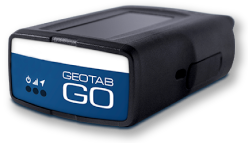
A GPS tracker installed in the tractor can provide information about vehicle location, driver activity and travel history. Many fleets use Geotab GO vehicle tracking devices alongside GO Anywhere products, allowing trucks and trailers to appear within the same MyGeotab environment.
Combining both solutions gives fleet managers a clearer understanding of how their vehicles and trailers work together.
For a closer look at the differences between vehicle and asset tracking devices, see our guide: GO vs. GO Anywhere: Which One Fits Your Fleet?
Ready to Track Every Trailer?
Whether your trailers remain parked for weeks or move between different trucks every day, having the right GPS tracking solution helps keep your equipment visible.
Contact us with information about your trailer types, fleet size and operating requirements. Our team can help you determine whether Next Gen GO Anywhere, GO Anywhere Plus or a combination of both is the right fit for your operation.
Frequently Asked Questions
Why isn't tracking the truck enough to keep track of its trailers?
A GPS tracker installed in the tractor only provides information about the truck’s location. When the driver drops a trailer and continues to another destination, the trailer is no longer visible through that device. Installing a separate tracker on each trailer allows you to monitor its location regardless of which truck is connected to it.
Does a trailer need a different GPS tracker whenever it is assigned to another truck?
No. The tracking device stays installed on the trailer and continues reporting through the same device whenever it is moved between trucks. You don’t need to transfer the tracker, change its configuration or reinstall it every time a different tractor picks up the trailer.
How do battery-powered and wired trailer GPS trackers differ?
Battery-powered trackers operate independently using an internal battery, so they don’t require a connection to the trailer’s electrical system. Wired trackers use an external power source, allowing them to provide more frequent updates and additional information, such as ignition activity, trip history and distance. The GO Anywhere Plus combines both approaches with external power and a backup battery.
What is the best GPS tracker for non-powered trailers such as dry vans?
The Next Gen GO Anywhere is designed for non-powered assets, including dry vans, roll-off bins, containers and other equipment. It operates without electrical wiring, provides automated hourly location updates and offers up to 10 years of operational life on its internal battery.
Can GO Anywhere Plus track refrigerated trailers and other powered equipment?
Yes. The GO Anywhere Plus is suitable for powered trailers, refrigerated units, generators and other equipment with a compatible power source. When installed using the appropriate harness, it can provide more frequent location reporting, trip information, ignition events and other usage data. Its internal battery also allows it to continue operating when external power is unavailable.
Will GO Anywhere Plus continue tracking a trailer after it is disconnected from the truck?
Yes. When the trailer is disconnected or the connected truck is turned off, GO Anywhere Plus automatically switches to its battery-powered configuration. It continues operating while the trailer is parked and returns to wired operation when connected to a running truck again.
How frequently does Next Gen GO Anywhere update trailer locations?
Under standard settings, Next Gen GO Anywhere automatically sends an updated location every hour. High Frequency Mode can be enabled to increase reporting to 15-minute intervals when more frequent location information is required. This setting uses additional battery power and is automatically disabled after 72 hours.
How frequently does GO Anywhere Plus report its location?
Reporting frequency depends on how the device is installed and configured. When connected to external power, GO Anywhere Plus can provide near real-time location and trip information. When operating on its internal battery, different time-based and movement-based reporting settings are available, including High Frequency Mode.
How long can the batteries last in Next Gen GO Anywhere and GO Anywhere Plus?
The Next Gen GO Anywhere has an estimated operational life of up to 10 years using its internal non-rechargeable battery. GO Anywhere Plus has a field-replaceable backup battery rated for approximately 3 to 5 years, depending on usage. Reporting frequency, temperature and network conditions can all affect battery lifespan.
Is it possible to identify which truck was hauling a particular trailer?
Yes. When your trucks and trailers are equipped with compatible Geotab GPS tracking devices, their location information is available through the same MyGeotab account. By comparing trip records, timestamps and locations, fleet managers can determine which truck was transporting a particular trailer and when.
Can I monitor all my trucks and trailers using one GPS tracking platform?
Yes. Both Next Gen GO Anywhere and GO Anywhere Plus integrate with MyGeotab. This allows you to view your trailers alongside your trucks and other tracked assets using the same platform, map and login.
How does GPS tracking help measure trailer dwell time and detention?
You can create geofences around customer facilities, distribution centres, terminals and other important locations. MyGeotab can then record when a trailer enters or leaves these areas, providing timestamped information about how long it remained there. Fleet managers can use these records to investigate delays, support detention discussions and identify trailers that have been waiting longer than expected.
Can GPS tracking help locate a trailer that has been stolen?
GPS tracking can improve your ability to locate stolen equipment by providing updated location information and alerts when a trailer moves outside an assigned area. Both Next Gen GO Anywhere and GO Anywhere Plus support High Frequency Mode, which can provide more frequent updates when activated. Although recovery cannot be guaranteed, timely location information can help fleet operators and law enforcement respond more effectively.
What happens when a trailer travels outside cellular coverage in Canada?
Next Gen GO Anywhere relies on compatible LTE CAT-M1 cellular networks, including Bell, Rogers and Telus in Canada, so coverage should be reviewed along your operating routes. GO Anywhere Plus offers additional direct-to-cell satellite capabilities through select partners. In Canada, Geotab documents Rogers direct-to-cell connectivity with Starlink for supported configurations. Availability depends on the enabled SIM and carrier arrangements. GO Anywhere Plus can also store tracking information onboard and upload stored records when cellular connectivity becomes available again.
Do Next Gen GO Anywhere and GO Anywhere Plus require professional installation?
Next Gen GO Anywhere is designed for straightforward installation without wiring or complicated configuration. It can be secured using suitable screws or adhesive. GO Anywhere Plus can also operate on its internal battery, but connecting it to a trailer’s electrical system requires the appropriate Geotab harness and power connection. A properly installed wired connection is needed to access the additional information available through external power.
Which harness should I use to connect GO Anywhere Plus to a trailer?
For compatible North American trailers, the HRN-GA2NATRL Trailer Power Harness is designed to connect GO Anywhere Plus to an SAE J560 trailer power supply. Other available options include the external power harness for compatible equipment, a three-wire harness and a cigarette lighter harness for suitable vehicles and equipment.
Can these GPS trackers withstand Canadian weather and demanding operating conditions?
Both devices are designed for demanding environments and feature IP67 and IP69K protection against dust and water. Next Gen GO Anywhere has an operating temperature range of approximately -40°C to +70°C and is tested to SAE J1455 standards. GO Anywhere Plus supports temperatures from approximately -40°C to +85°C. Proper installation is still important to protect the devices from impacts, debris and environmental exposure.
Is it possible to use Next Gen GO Anywhere and GO Anywhere Plus together in one fleet?
Absolutely. Using both devices can be an effective way to manage different types of equipment. Next Gen GO Anywhere can be installed on non-powered trailers that spend extended periods in storage, while GO Anywhere Plus can be used on powered trailers or assets that require more detailed movement and usage information. Both devices integrate with MyGeotab, allowing you to monitor them together through one platform.