

Frequently Asked Questions
What is the 2026 federal EV rebate program in Canada?
The 2026 federal EV rebate program is designed to help reduce the cost of eligible electric vehicles through purchase or lease incentives. For commercial fleets, it can make light-duty EV adoption more affordable when vehicles meet the program’s eligibility rules.
How much can fleets receive through the 2026 EV rebate?
Eligible battery-electric and hydrogen fuel cell vehicles may qualify for incentives of up to $5,000, while eligible plug-in hybrid vehicles may qualify for incentives of up to $2,500.
Can commercial fleets qualify for the federal EV rebate?
Yes. Businesses and organizations can qualify for the federal EV rebate when purchasing or leasing eligible vehicles through an enrolled dealership or authorized seller.
How many EV rebates can a business fleet receive?
Businesses and organizations may be limited in the number of EV incentives they can receive over the program period. Fleet managers should confirm current limits before planning large vehicle purchases.
Are municipal fleets eligible for EV rebates?
Yes. Municipal and government fleets may be eligible for federal EV rebates when they purchase or lease qualifying vehicles that meet the program’s vehicle, price, and transaction requirements.
Are carsharing fleets eligible for EV incentives?
Carsharing fleets may qualify for EV incentives if they meet Transport Canada’s eligibility requirements. Approved carsharing organizations may have different incentive limits than regular businesses.
What types of vehicles qualify for the 2026 EV rebate?
Eligible vehicles generally include new battery-electric vehicles, hydrogen fuel cell vehicles, and plug-in hybrid vehicles that meet federal requirements for vehicle type, price, and manufacturing origin.
Is there a price limit for the 2026 EV rebate?
Yes. Most eligible EVs must meet a final transaction value limit, although some Canadian-made EVs may be treated differently under the federal rules. Fleet buyers should confirm eligibility before ordering vehicles.
Do EVs need to be built in certain countries to qualify?
Yes. The 2026 rebate rules place more importance on where vehicles are manufactured. Eligible vehicles must generally be made in Canada or in countries that have a free-trade agreement with Canada.
Does the federal EV rebate apply to leases?
Yes. The rebate can apply to eligible EV purchases and leases, provided the vehicle, buyer, lease terms, and dealership process meet the program requirements.
How is the EV rebate applied?
The rebate is usually applied at the point of sale or lease through the dealership or authorized seller. The fleet buyer does not normally apply directly to the federal government.
Can fleets apply directly to Transport Canada for the rebate?
No. Fleet buyers generally receive the incentive through an enrolled dealership or authorized seller, which submits the required documentation to Transport Canada.
Will the EV rebate amount stay the same?
No. The federal EV rebate amount is expected to gradually decrease over the program period. This means fleets that act earlier may be able to access higher incentive amounts.
Why should commercial fleets act early?
Fleets should act early because rebate amounts may decline over time and funding may be limited. Early planning also gives fleets more time to evaluate vehicles, charging needs, and total cost of ownership.
What happened to the federal medium- and heavy-duty EV incentive program?
The federal medium- and heavy-duty zero-emission vehicle incentive program has closed to new applications. Fleets operating larger trucks, buses, or vocational vehicles may need to look at provincial programs, infrastructure support, and internal cost analysis.
Does the rebate make every fleet vehicle a good EV candidate?
No. A rebate can reduce upfront cost, but fleets still need to consider daily range, route patterns, payload, charging access, cold weather performance, downtime, and operational reliability.
Why is telematics data important before buying EVs?
Telematics data helps fleets understand real mileage, route consistency, idling, vehicle utilization, dwell time, and operating patterns. This information helps identify which vehicles are best suited for EV replacement.
How can Geotab help fleets decide which vehicles to electrify?
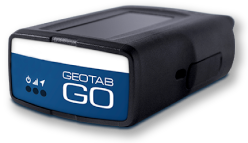
Geotab can help fleets analyze vehicle usage, driving patterns, range needs, and total cost of ownership. This allows fleet managers to make EV decisions based on real data instead of guesswork.
What does Geotab EVSA consider when recommending EV replacements?
Geotab’s EV Suitability Assessment can consider factors such as range capability, route history, charging viability, vehicle usage, operating costs, and lifetime cost comparisons between gas, diesel, and electric vehicles.
How can GPS Tracking Canada help commercial fleets with EV planning?
GPS Tracking Canada helps fleets use Geotab-integrated GPS tracking and telematics data to evaluate EV readiness, identify suitable vehicles for electrification, plan charging needs, and manage EV performance after deployment.