


Frequently Asked Questions
What are predictive weather alerts for fleets?
Predictive weather alerts are notifications that warn fleet managers and drivers about upcoming weather risks such as snow, freezing rain, black ice, high winds, low visibility, and icy roads before they affect a route.
How can predictive weather alerts help Ontario fleets in winter?
Predictive weather alerts help Ontario fleets plan safer routes, delay non-urgent trips, warn drivers early, reduce accident risk, and prepare vehicles for harsh winter conditions.
Why is winter weather a major risk for Ontario fleets?
Ontario fleets face snow, ice, freezing rain, road salt, slush, poor visibility, and sudden weather changes, all of which can increase accidents, downtime, and maintenance costs.
How do GPS tracking and weather alerts work together?
GPS tracking shows where fleet vehicles are in real time, while weather alerts help managers identify which vehicles may be heading into dangerous road or weather conditions.
Can predictive weather alerts reduce fleet accidents?
Yes. By warning drivers and dispatchers before vehicles enter hazardous areas, fleets can reroute vehicles, slow down operations, and reduce risky driving in poor conditions.
How does Geotab help with winter fleet safety?
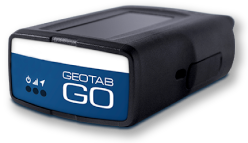
Geotab helps fleets monitor vehicle location, driver behaviour, speeding, harsh braking, harsh cornering, engine data, maintenance needs, and route activity during winter operations.
Can Geotab track harsh braking during winter?
Yes. Geotab can help identify harsh braking events, which are especially important to monitor during icy or snowy road conditions.
How can fleets reduce salt damage with telematics?
Fleets can use GPS and vehicle activity data to identify which vehicles were exposed to heavy salt, slush, or winter road conditions, then prioritize washing, inspections, and preventive maintenance.
Why is road salt damaging to fleet vehicles?
Road salt can accelerate corrosion on vehicle frames, brakes, wiring, connectors, suspension parts, sensors, and other exposed components.
How often should fleet vehicles be washed in winter?
Vehicles that regularly drive on salted roads should be washed frequently, especially underneath, after heavy salt exposure, snowstorms, or slushy road conditions.
Can predictive weather alerts help dispatchers make better decisions?
Yes. Dispatchers can use weather alerts to adjust routes, change schedules, warn drivers, stage vehicles, and avoid sending vehicles into dangerous conditions unnecessarily.
What types of fleets benefit from predictive weather alerts?
Delivery fleets, service fleets, construction fleets, municipal fleets, snow removal fleets, utility fleets, transportation fleets, and any Ontario business operating vehicles in winter can benefit.
How do weather alerts improve driver coaching?
Weather alerts give managers context when reviewing driver behaviour. For example, speeding or harsh braking during icy conditions can be addressed with more specific coaching.
Can telematics help reduce winter maintenance costs?
Yes. Telematics can support preventive maintenance by tracking vehicle use, mileage, engine data, fault codes, and winter exposure, helping fleets fix issues before they become expensive failures.
How can fleets prepare vehicles before a winter storm?
Fleets can check tire condition, washer fluid, lights, brakes, batteries, cameras, sensors, fuel levels, and maintenance schedules before severe winter weather arrives.
Can GPS tracking help snow removal fleets?
Yes. GPS tracking can help snow removal fleets monitor vehicle location, route completion, driver activity, idling, service history, and response times during winter operations.
Do predictive weather alerts replace driver judgment?
No. Predictive weather alerts support driver judgment by giving earlier information, but drivers must still adjust speed, following distance, and driving behaviour based on actual road conditions.
How can fleets use Geotab data after a winter incident?
Fleets can review GPS location, speed, harsh braking, route history, engine data, and other telematics information to better understand what happened before, during, and after the incident.
Why should Ontario fleets use winter-specific fleet tracking tools?
Winter-specific tracking helps fleets respond faster to dangerous conditions, reduce preventable accidents, protect vehicles from salt damage, and improve driver safety.
How can GPS Tracking Canada help fleets get winter ready?
GPS Tracking Canada helps businesses choose, install, and manage Geotab-based GPS tracking solutions that support predictive alerts, safer winter driving, maintenance planning, and better fleet visibility.