

Theft Prevention with GPS Tracking: Protecting Your Fleet Before Assets Disappear
Vehicle and equipment theft is no longer just a personal auto problem. For businesses, a stolen truck, trailer, generator, skid steer, or service vehicle can mean lost productivity, missed jobs, emergency replacement costs, insurance headaches, and frustrated customers. In Ontario, auto theft remains a serious business risk: Insurance Bureau of Canada reported that Ontario auto theft claims costs reached $485 million in 2025, and although that was lower than 2024, losses were still 330% higher than in 2017.
For fleets, the problem is not only the value of the stolen asset. It is the downtime that follows. A vehicle may carry tools, customer equipment, inventory, fuel cards, documents, laptops, or specialized attachments. A stolen truck can interrupt an entire route. A stolen trailer can delay a job site. A stolen generator can stop work completely. GPS tracking helps reduce that risk by giving fleet managers visibility, alerts, and location history when assets move unexpectedly.
Why GPS Tracking Matters for Theft Prevention
Traditional theft prevention relies on locks, gates, keys, parking procedures, and cameras. These are still important, but they often only tell you something happened after the asset is gone. GPS tracking adds a live layer of visibility. Instead of waiting for a driver, neighbour, or site manager to notice that a vehicle or piece of equipment is missing, fleet managers can receive alerts when movement happens outside approved times or locations.
This is especially useful for businesses with vehicles parked overnight, equipment stored on job sites, trailers moving between yards, or assets assigned to multiple crews. GPS tracking helps answer the most important questions quickly: Where is the asset? When did it move? What route did it take? Is it still moving? Who should be notified?
Real-Time Location Helps You Respond Faster
When theft happens, time matters. The longer a stolen vehicle or asset goes untracked, the harder it may be to recover. With GPS tracking, fleet managers can view the asset’s location and trip history from a connected platform. Geotab has highlighted real-world theft recovery examples where telematics helped locate stolen vehicles and support recovery by showing vehicle location and movement history.
For a business, this can make the difference between a brief disruption and a major loss. If a vehicle leaves a yard at 2:00 a.m., GPS data can help identify the direction of travel, last known stop, and current position. This information can then be shared with law enforcement. Fleet managers should never try to recover stolen assets themselves; GPS tracking is most effective when it supports a safe, coordinated response with police.
Geofencing Turns Important Locations Into Protected Zones
One of the most useful theft-prevention tools in GPS tracking is geofencing. A geofence is a virtual boundary around a real-world location, such as a company yard, customer site, warehouse, job site, storage lot, or restricted area. When a vehicle or asset enters or leaves that zone, the system can record the event and send an alert.
Geotab explains that geofencing allows fleets to create custom boundaries around locations and trigger alerts or actions when vehicles cross those boundaries. This can support security, compliance, and productivity by automating location-based monitoring.
For theft prevention, a fleet could create geofences around:
- Company yards
- Construction sites
- Equipment storage areas
- Customer delivery zones
- Restricted areas
- After-hours parking locations
- Fuel depots
- Trailer lots
For example, if a trailer leaves a job site outside working hours, the system can send a notification. If a service truck enters an unauthorized area, the fleet manager can review the event. If equipment is moved from one site to another without approval, the movement becomes visible instead of hidden.
After-Hours Alerts Reduce the “Too Late” Problem
Many thefts happen when no one is watching: overnight, on weekends, during holidays, or between shifts. GPS tracking helps close that gap by using alerts. Instead of checking every vehicle manually, fleet managers can create rules for unusual activity.
Common theft-prevention alerts may include:
- Vehicle movement after hours
- Asset leaving a geofence
- Ignition activity outside approved schedules
- Unexpected towing or movement
- Device tampering alerts
- Low battery or power-disconnect alerts
- Unauthorized use of company vehicles
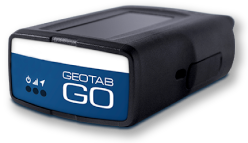
Geotab’s vehicle tracking device information notes that connected fleet systems can help turn silent theft attempts into instant alerts through features such as built-in energy reserve, tamper event detection, and rapid response support.
GPS Tracking Protects More Than Trucks
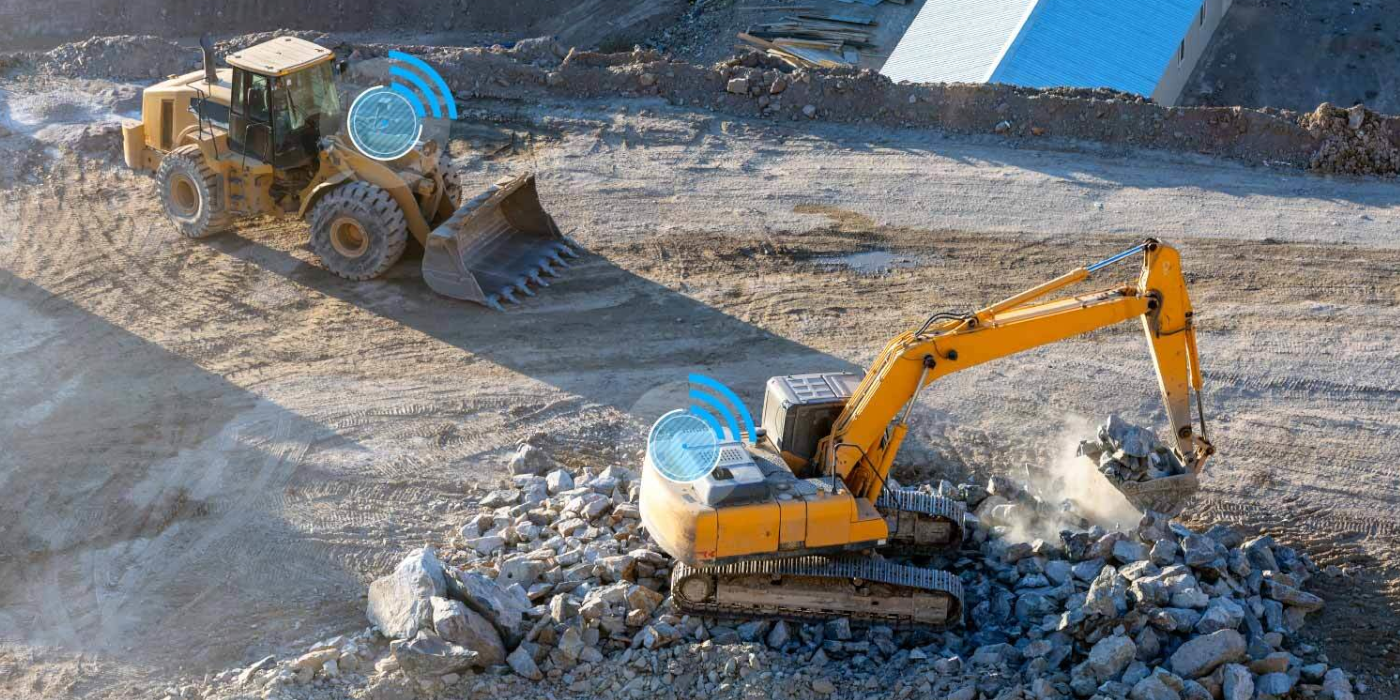
Fleet theft prevention is not only about road vehicles. Many businesses also need to protect trailers, generators, heavy equipment, compressors, lighting towers, bins, containers, and tools. These assets are often left at job sites, parked in remote areas, or moved between crews. Without tracking, it can be difficult to know whether they are being used, sitting idle, misplaced, or stolen.
Geotab asset tracking solutions can support geofence alerts for assets such as generators, trailers, and toolboxes, notifying users when equipment moves outside an assigned boundary. Geotab also notes that wire-free asset tracking options can be used for assets without their own power source.
For construction, landscaping, utilities, rental, field service, and transportation companies, this visibility can reduce losses and improve accountability. A generator that disappears from a site is not just a missing asset; it can delay crews, increase rental costs, and create disputes over responsibility. GPS tracking gives businesses a clearer record of where equipment was, when it moved, and how it was used.
Rugged Tracking for Harsh Job Sites
Some fleet assets operate in environments where standard devices may not be ideal. Construction equipment, trailers, agricultural machinery, off-road vehicles, generators, and outdoor assets may face dust, water, vibration, snow, heat, and rough handling. For these cases, ruggedized tracking hardware is important.
Geotab describes GO RUGGED as a ruggedized telematics device designed for heavy equipment, off-road vehicles, trailers, generators, and installations exposed to outdoor conditions. It is built to IP67 standards for protection against dust and water ingress and supports GPS tracking, g-force monitoring, engine data, and battery health assessment.
This matters because theft prevention only works if the device can continue reporting reliably in real operating conditions. A contractor tracking equipment through Canadian winters, muddy sites, or remote work areas needs hardware that can handle the environment.
Location History Supports Investigations and Insurance Claims
GPS tracking does not only help during the theft. It can also help after the incident. Trip history, timestamps, geofence events, and movement records can help reconstruct what happened. This information may support police reports, internal investigations, insurance documentation, and customer communication.
For example, a fleet manager may be able to show that a vehicle left the yard at a specific time, travelled in a specific direction, stopped at a certain location, or was moved outside normal operating hours. This can help create a clearer timeline and reduce guesswork.
The Government of Canada has also recognized the importance of location data in auto theft response. Public Safety Canada notes that a GPS tracking protocol was developed for law enforcement in Canada so stolen vehicle location data can be shared with relevant authorities for safe retrieval.
GPS Tracking Also Helps Prevent Unauthorized Use
Not every loss starts as a traditional theft. Sometimes a vehicle is used without permission, taken home without approval, driven outside assigned routes, or used after hours. Over time, unauthorized use can increase fuel costs, maintenance wear, liability exposure, and insurance risk.
GPS tracking helps managers identify patterns before they become bigger problems. If a vehicle is regularly moving outside work hours, visiting unauthorized locations, or being used on weekends, managers can address the issue with clear data. This creates accountability without relying on assumptions.
Building a Stronger Theft Prevention Strategy
GPS tracking works best as part of a broader security plan. Fleets should combine tracking with practical procedures such as secure parking, controlled key access, driver check-in policies, locked storage, asset labeling, camera coverage, and clear after-hours rules.
Businesses should also create a theft response process before something goes missing. This process should define who receives alerts, who verifies the event, who contacts law enforcement, who communicates with insurance, and who shares GPS location data safely. A fast response is much easier when the team already knows what to do.
Protect Your Fleet With GPS Tracking Canada
GPS Tracking Canada helps businesses protect vehicles, equipment, trailers, and valuable assets with GPS tracking solutions that integrate with Geotab devices and services. Whether you need real-time vehicle tracking, geofence alerts, asset tracking, after-hours movement notifications, rugged hardware for job sites, or better visibility across your fleet, our team can help you choose the right solution for your operation. Contact us today to learn how GPS Tracking Canada can help you prevent theft, recover assets faster, and manage your fleet with greater confidence.
Frequently Asked Questions
How does GPS tracking help prevent vehicle theft?
GPS tracking helps prevent theft by giving fleet managers real-time visibility, movement alerts, geofence notifications, and location history when a vehicle moves unexpectedly.
Can GPS tracking help recover a stolen vehicle?
Yes. GPS tracking can show the vehicle’s current or last known location, travel route, and movement history, which can help law enforcement respond faster.
What is a geofence in GPS tracking?
A geofence is a virtual boundary around a real location, such as a company yard, job site, warehouse, or parking lot. Alerts can be triggered when a vehicle or asset enters or leaves that area.
How do geofence alerts help with theft prevention?
Geofence alerts notify fleet managers when a vehicle, trailer, or asset leaves an approved area, especially after hours or without authorization.
Can GPS tracking detect after-hours vehicle movement?
Yes. Fleet managers can set alerts for movement, ignition activity, or asset relocation outside normal business hours.
Does GPS tracking work for trailers and equipment?
Yes. GPS tracking can be used for trailers, generators, skid steers, compressors, containers, and other valuable assets, not just vehicles.
Can Geotab help prevent fleet theft?
Yes. Geotab solutions can support real-time tracking, geofencing, alerts, trip history, asset tracking, and vehicle activity monitoring.
What should I do if a GPS-tracked vehicle is stolen?
Do not try to recover it yourself. Use the GPS location data to support a police report and work with law enforcement for safe recovery.
Can GPS tracking help with insurance claims after theft?
Yes. GPS data can provide location history, timestamps, and movement records that may help support insurance documentation and investigations.
What types of theft alerts can fleets set up?
Fleets can set up alerts for after-hours movement, geofence exits, unauthorized use, ignition activity, device tampering, and unexpected asset movement.
Can GPS tracking prevent unauthorized vehicle use?
Yes. GPS tracking can show when company vehicles are used outside approved hours, routes, or service areas.
Is GPS tracking useful for construction sites?
Yes. Construction companies can use GPS tracking to monitor trucks, trailers, generators, skid steers, and other equipment across multiple job sites.
Can GPS tracking monitor equipment without an engine?
Yes. Asset trackers can be used on non-powered equipment, trailers, containers, and tools, depending on the device and application.
What is the difference between vehicle tracking and asset tracking?
Vehicle tracking is used for powered fleet vehicles, while asset tracking is used for equipment, trailers, tools, and other valuable items that may not have a regular driver.
Can GPS tracking show where a stolen asset has travelled?
Yes. GPS tracking can provide route history, stop locations, and timestamps to help reconstruct movement after an asset is taken.
Does GPS tracking work in remote areas?
GPS tracking can still be useful in remote areas, although performance may depend on device type, cellular coverage, satellite visibility, and installation.
Can GPS tracking detect tampering?
Some GPS tracking devices can detect tampering, power disconnection, or unusual device activity and send alerts to fleet managers.
Why is theft prevention important for fleets?
Fleet theft can cause vehicle loss, equipment loss, downtime, missed jobs, insurance claims, replacement costs, and customer service delays.
Should GPS tracking be combined with other security measures?
Yes. GPS tracking works best alongside secure parking, locked storage, key control, cameras, driver policies, and clear theft response procedures.
How can GPS Tracking Canada help with theft prevention?
GPS Tracking Canada provides GPS tracking solutions that integrate with Geotab devices and services, helping businesses monitor vehicles, track assets, set alerts, and respond faster to potential theft.