

Frequently Asked Questions
What is predictive maintenance for fleet vehicles?
Predictive maintenance uses vehicle data, engine diagnostics, fault codes, sensor readings, and telematics insights to identify possible mechanical issues before they cause breakdowns.
What does run-until-failure maintenance mean?
Run-until-failure means a vehicle is used until something breaks. This approach can lead to unexpected downtime, emergency repairs, towing costs, and missed jobs.
How does predictive maintenance reduce fleet downtime?
Predictive maintenance helps fleets detect problems early, schedule repairs before failure, and avoid roadside breakdowns that can take vehicles out of service.
Can predictive maintenance really cut downtime by 30%?
Yes. Many fleets can reduce downtime significantly by using telematics data, maintenance alerts, and AI-powered insights to fix problems before they become major failures.
How do AI sensors help with maintenance?
AI sensors and connected telematics systems monitor vehicle performance, detect abnormal patterns, and alert fleet managers when a vehicle may need service.
What vehicle data is used for predictive maintenance?
Common data includes diagnostic trouble codes, engine hours, mileage, battery voltage, coolant temperature, fuel usage, idling time, and maintenance history.
How is predictive maintenance different from preventive maintenance?
Preventive maintenance follows a fixed schedule, while predictive maintenance uses real-time vehicle data to decide when service is actually needed.
Why is run-until-failure risky for fleets?
It can cause sudden breakdowns, higher repair costs, vehicle downtime, driver delays, lost productivity, and poor customer service.
What types of fleets benefit from predictive maintenance?
Service fleets, delivery fleets, construction fleets, utility fleets, transportation fleets, and any business that depends on vehicle uptime can benefit.
How does Geotab support predictive maintenance?
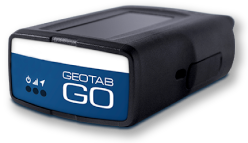
Geotab devices collect vehicle data, engine diagnostics, fault codes, and performance information that can help fleets monitor vehicle health and plan maintenance.
Can predictive maintenance lower repair costs?
Yes. Fixing small issues early is usually less expensive than repairing major damage after a vehicle has already failed.
Does predictive maintenance improve fleet safety?
Yes. By identifying mechanical problems earlier, fleets can reduce the risk of operating unsafe vehicles with hidden issues.
What are diagnostic trouble codes?
Diagnostic trouble codes, or DTCs, are vehicle-generated codes that indicate possible engine, emissions, electrical, or mechanical problems.
Why are engine hours important for maintenance?
Engine hours show how long the engine has actually been running, which is especially important for vehicles that idle often but do not travel long distances.
Can predictive maintenance help reduce emergency repairs?
Yes. By giving managers earlier warning signs, predictive maintenance helps reduce last-minute repairs and unexpected roadside service calls.
Is predictive maintenance useful for small fleets?
Yes. Even small fleets can benefit because one vehicle out of service can have a major impact on scheduling, labour, and customer commitments.
What role does GPS tracking play in predictive maintenance?
GPS tracking with telematics provides real-time visibility into vehicle location, usage, diagnostics, and maintenance-related data.
How does predictive maintenance improve fleet planning?
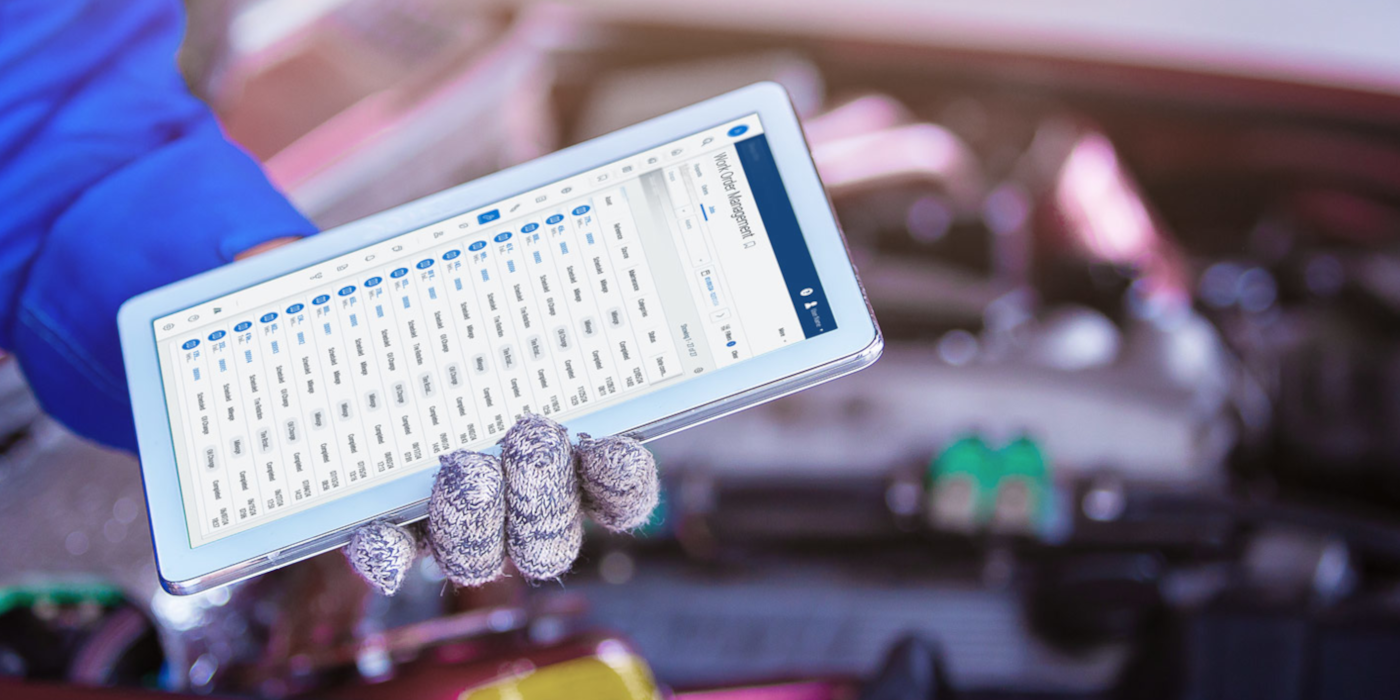
It helps managers schedule repairs during planned downtime, assign backup vehicles, order parts earlier, and prioritize high-risk vehicles.
Do drivers need to report every issue manually?
No. Drivers should still report concerns, but telematics systems can automatically detect and report many vehicle health issues.
Why choose GPS Tracking Canada for predictive maintenance solutions?
GPS Tracking Canada provides GPS tracking solutions that integrate Geotab devices, helping businesses monitor vehicle health, reduce downtime, improve maintenance planning, and manage fleets more efficiently.