How Engine Fault Alerts Help Fleets Reduce Breakdowns

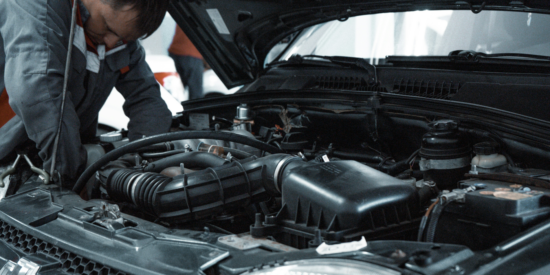
How Engine Fault Alerts Help Fleets Reduce Breakdowns A vehicle rarely goes from operating normally to suffering a major mechanical failure without warning. In many cases, its onboard systems detect an abnormal condition before the driver notices a serious performance problem. The challenge for fleet managers is receiving that information early enough to act. Engine…


GPS Jammers and Fleet Tracking: Risks, Warning Signs and Prevention

GPS Jammers and Fleet Tracking: Risks, Warning Signs and Prevention GPS tracking gives fleet managers the real-time visibility needed to coordinate vehicles, improve routing, monitor driver safety, respond to emergencies and protect valuable equipment. However, this visibility depends on reliable satellite signals. A GPS jammer can interfere with those signals, creating gaps in location data…

Heavy-Duty vs. Non-Heavy-Duty 16-Pin Harnesses

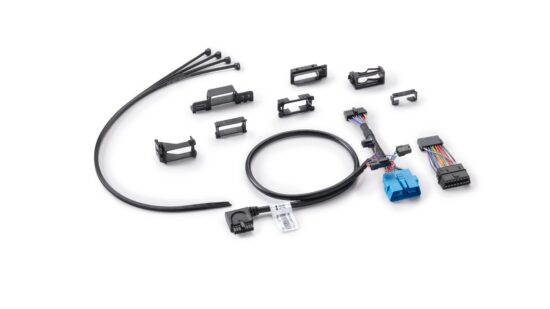
Heavy-Duty vs. Non-Heavy-Duty 16-Pin Harnesses Choosing the right 16-pin harness may seem like a small installation detail, but it can affect device fit, power compatibility, diagnostic access, and long-term reliability. For fleets using Geotab GO devices, the difference between a heavy-duty 16-pin harness and a non-heavy-duty 16-pin harness is not just the connector shape. It…

How to Know When Your Fleet Has Outgrown Spreadsheets

How to Know When Your Fleet Has Outgrown Spreadsheets Spreadsheets are often where fleet management begins. For a small business with a few vehicles, a spreadsheet can feel simple, affordable, and familiar. You can list vehicle numbers, driver names, service dates, fuel purchases, odometer readings, and customer stops in one place. At the beginning, that…